Formula 1 Race Strategy Using Data Telemetry and Timing

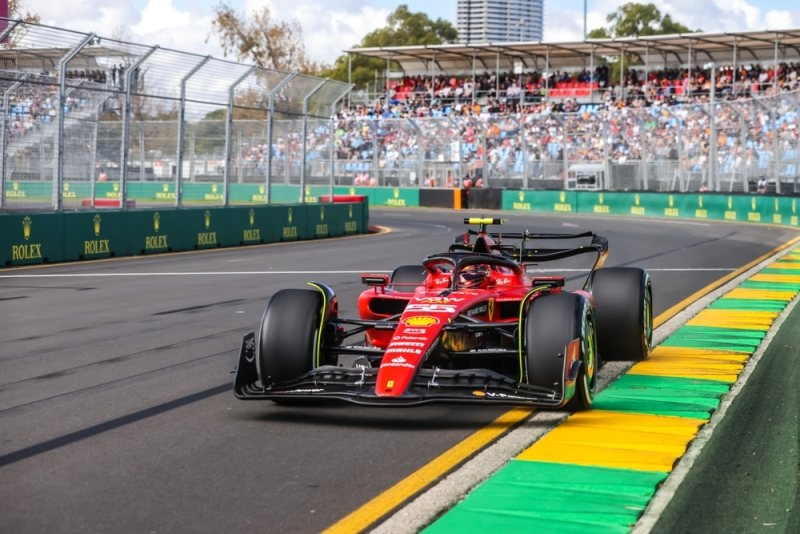
Quick Lessons
- Live telemetry and timing data, coupled with predictive models, are the key to Formula 1 race strategy.
- Adjusting to track conditions by team, lap by lap.
- The data backs up decisions, but the experienced engineers are the final say.
- The time saved in the pit stops could be a make-or-break at the end of the race due to small gains.
- Today, strategy plays as important a role as driver skill in motorsport's top series of Formula 1.
No longer does F1 only go to the fastest car, the fastest driver – it now goes to the best combination of both. It could all be contingent on steering a perfectly-timed pit stop, a decision about the right tire twenty laps too early, or a correct weather forecast. Thousands of data points in each lap. They are studied by engineers in real time, and drivers only receive information that is relevant.
In this blog, you will learn the significance of race day communications in the form of a Formula 1 strategy meeting with telemetry, timing, and data as the key factors that influence almost every decision on race day.
How Formula 1 Race Strategy Turns Data Into Race Decisions
A successful Formula 1 race strategy starts long before the lights go out. Teams already know expected tire life, fuel consumption, weather trends, plus overtaking opportunities before the race even begins. Still, no plan survives untouched.
Track temperature changes. A safety car appears. Rain arrives earlier than expected. Suddenly, the original Formula 1 race strategy changes. Engineers begin comparing live numbers with thousands of race simulations running in the background.
Formula 1 Strategy Begins Before The Cars Reach The Grid
A modern Formula 1 strategy starts days before qualifying. Teams collect practice session information, compare historical race performance, study tire degradation, and then predict different race scenarios.
This initial Formula 1 strategy allows engineers to plan several different options instead of depending on one main idea.
For example, if rain is expected around Lap 35, the team may already have three different pit windows ready, depending on whether the shower arrives early, late, or never. Planning reduces panic.
Formula 1 Data Creates Better Predictions
Every car constantly produces Formula 1 data from hundreds of sensors measuring speed, brake temperature, F1 engine performance, battery usage, tire pressure, steering input, suspension movement, plus much more.
This Formula 1 data is transmitted live to engineers throughout the race. Instead of reacting after something goes wrong, teams often spot problems several laps before drivers even notice unusual behavior. That's a massive advantage.
Telemetry Makes Formula 1 Race Strategy More Accurate
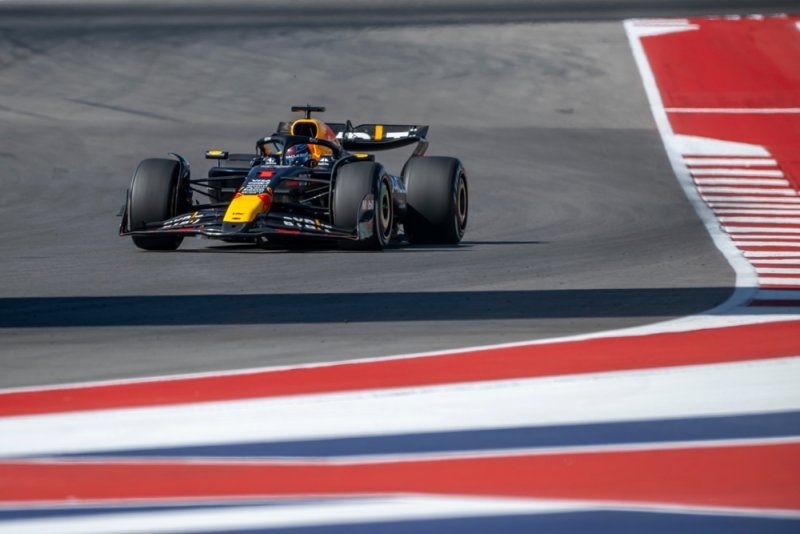
Telemetry is simply live communication between the race car and the team. Without telemetry, today's Formula 1 race strategy would lose much of its precision.
Engineers monitor every important system while the car is running at full speed. If tire temperatures begin rising beyond expected levels, the strategy group immediately considers changing pit timing.
F1 Analytics Finds Patterns Drivers Cannot See
F1 drivers feel grip changes. Analysts see numbers. Modern F1 analytics compares live race information with historical performance, simulator results, plus predictive models running simultaneously.
Suppose tire wear increases by only three percent over expected values. That may sound small. Yet F1 analytics could predict that those extra percentages would result in ten seconds lost over the final race stint.
Formula 1 Technology Connects Every Department
Modern Formula 1 technology links race engineers, strategists, mechanics, performance analysts, and factory support into one connected system.
Some teams continue monitoring races from remote operations centers where additional specialists review incoming information alongside trackside engineers.
Timing Windows Often Decide The Winner
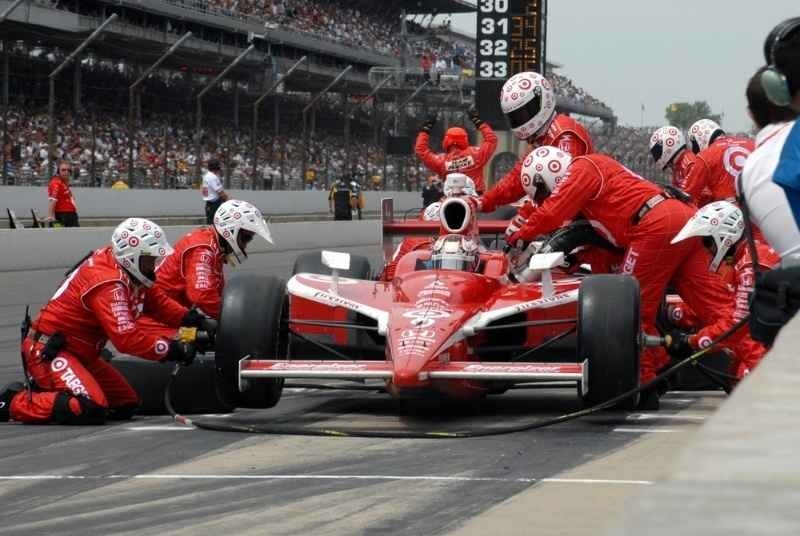
Formula 1 Pit stops are about much more than changing tires. A strong Formula 1 race strategy depends heavily on finding the perfect pit window. Stop too early, fresh tires wear out before the finish. Stop too late, valuable seconds disappear behind slower traffic.
Timing beats speed surprisingly often. Imagine two drivers running identical lap times. Driver A pits into clear air. Driver B exits behind three slower cars.
Although both pit stops lasted the same time, Driver A gained nearly eight seconds within five laps simply because traffic never interrupted momentum. That single timing choice may decide the podium.
F1 Race Strategy Changes During Safety Cars
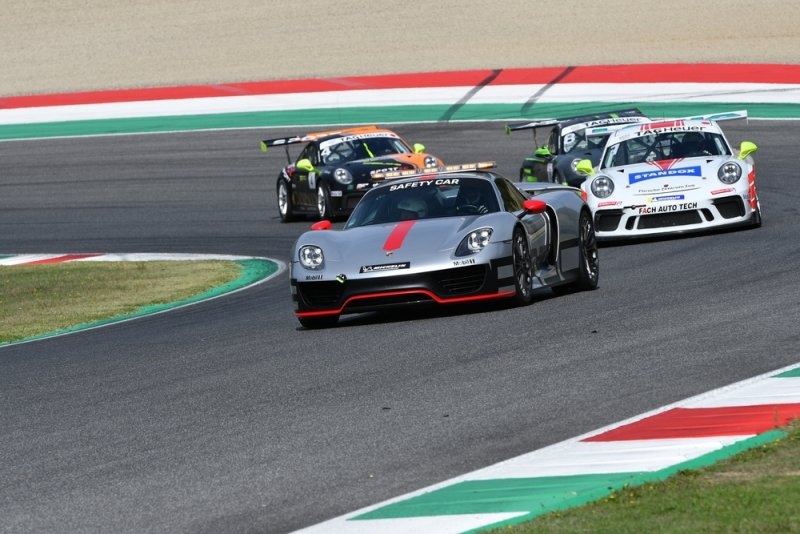
Nothing disrupts an F1 race strategy faster than a Safety Car. The reduced race speed allows drivers to pit while losing much less time compared with green-flag conditions. Teams immediately calculate whether stopping now creates a position advantage later.
Sometimes it does. Sometimes staying out proves smarter. That decision usually happens in under ten seconds.
Formula 1 Strategy Balances Risk Against Reward
Every Formula 1 strategy includes calculated risks.
Teams constantly compare:
- Expected tire life
- Traffic after pit stops
- Weather forecasts
- Rival strategies
- Probability of another Safety Car
None of these factors works alone. Together, they shape nearly every major strategic decision. A good strategy isn't guessing. It is about choosing the best option that has the least risk and the most gain.
Comparing Reactive and Predictive Race Strategy
There are both proactive and reactionary elements in Formula 1 race strategy; however, each has its own application depending on the situation.
| Predictive Formula 1 Race Strategy | Reactive Formula 1 Race Strategy |
|---|---|
| Built from simulations before the race | Adjusted using live race events |
| Relies heavily on historical Formula 1 data | Relies on telemetry and timing updates |
| Lower risk if conditions remain stable | Better during unexpected situations |
| Planned pit windows | Flexible pit timing |
| Strong before the race starts | Strong once the race unfolds |
Conclusion
The perfect Formula 1 Race Strategy is not set in stone. It continuously evolves as the sport of racing never rests. Teams with access to reliable and accurate Formula 1 data, Formula 1 technology, Formula 1 strategy, intelligent F1 race strategy, and experienced human judgment will reap small gains from time to time throughout the season, and in a few key moments when victories are often won by a handful of seconds.
Frequently Asked Questions
What is the impact of weather forecasting on Formula 1 race strategy?
Weather forecasts shape just about every Formula 1 race, especially when it comes to things like tire changes and pit timing. Teams constantly monitor and track temperature and wind direction as the laps go by.
Why do teams make different choices in similar situations?
Even though both teams have been given the same Formula 1 data, they will value the risks differently. Racing conditions as a whole affect the development of an F1 race strategy.
Is driver feedback just as important as telemetry?
Telemetry measures data, driver feedback is what is real. Numbers don't wholly convey confidence, changing balance, or grip level, so Engineers use both together.
Is it possible for smaller F1 teams to compete by strategy?
Yes. In smaller teams, there is no real speed, but good F1 Number 2 stuff, great timing choices, productive servicing, and the F1 analytics can all help them start gaining ground on faster teams and find value points in the championship.
This content was created by AI