F1 Testing Explained: What Teams Discover Before Race One

Key Takeaways
- F1 testing gives teams a short, tightly packed window to check reliability, tyres, and new parts before racing starts.
- Bahrain F1 testing has become the go-to venue, mostly because of its heat, grip levels, and mix of corners.
- The F1 testing schedule usually plays out across February, just weeks before the season's opening Grand Prix.
- F1 preseason testing rarely shows true pace, since fuel loads and engine modes keep shifting between runs.
- Reading F1 testing the right way helps fans tell genuine form apart from clever sandbagging by rival teams.
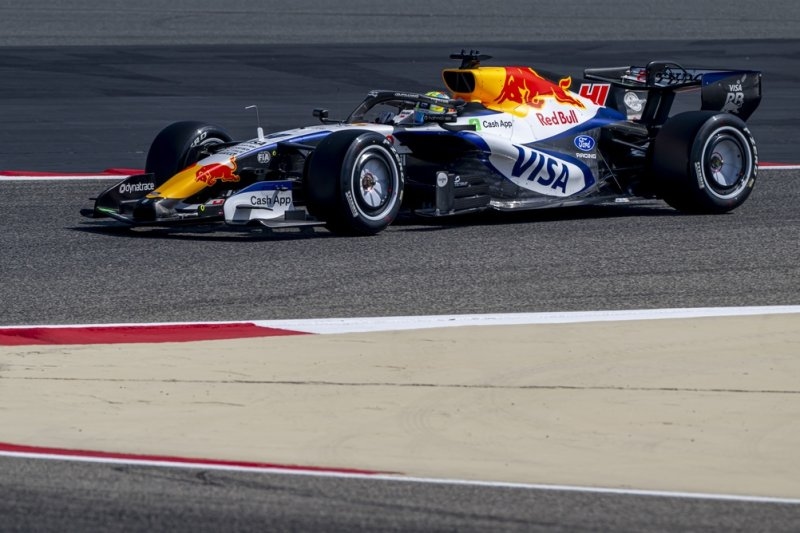
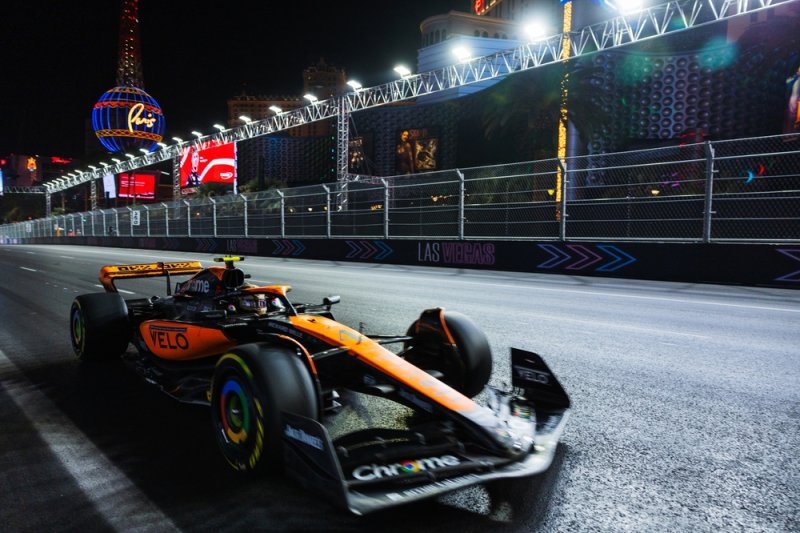
Winter goes quiet, then suddenly it doesn't. Cars roll out of the garage, engineers stare at data streams for hours, and a new championship starts taking shape. That window is F1 testing, and honestly, it decides more than most fans give it credit for. Teams can't fake reliability, and they can't hide a broken correlation between simulator and track. Get this period right, as a fan, and you'll stop chasing empty headlines.
What is F1 Testing?
Put simply, F1 testing is a set block of track time that happens outside any race weekend, right before the season kicks off. Teams use it to put tyres, cooling, brakes, and software through their paces under conditions that actually matter. There's no championship silverware on the line here, so engineers get to experiment freely. Every lap has a job to do, and that job usually has nothing to do with outright speed.
When Does F1 Testing Start?
Most years, F1 testing kicks off in mid-February, roughly three or four weeks before the opening Grand Prix. That gap matters, giving factories just enough time to finish the car while leaving room to patch whatever testing exposes. Before any of that, teams usually run a private shakedown, often in Barcelona, just to catch the big, embarrassing faults early. Only once that quiet check is done do cars head to the official test venue.
F1 Preseason Testing?
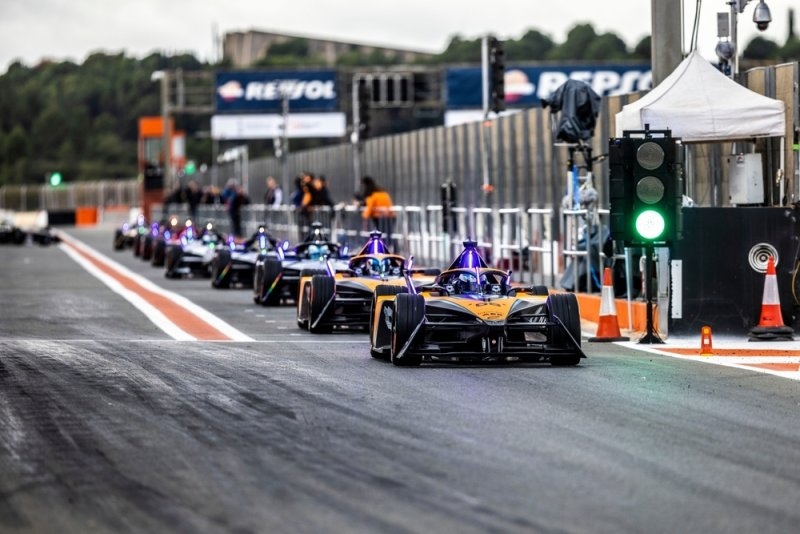
Here's the thing about F1 preseason testing: it's the only real shot teams get to check a winter's worth of design work against reality. Wind tunnels and simulators help, sure, but nothing beats a driver actually hammering the car around a track. Engineers spend this window confirming the cooling works, the brakes bite when they should, and new parts survive hour after hour of hard running. Skip or rush this stage, and reliability trouble tends to show up at the worst possible moment.
Bahrain F1 Testing: Why This Venue Keeps Winning
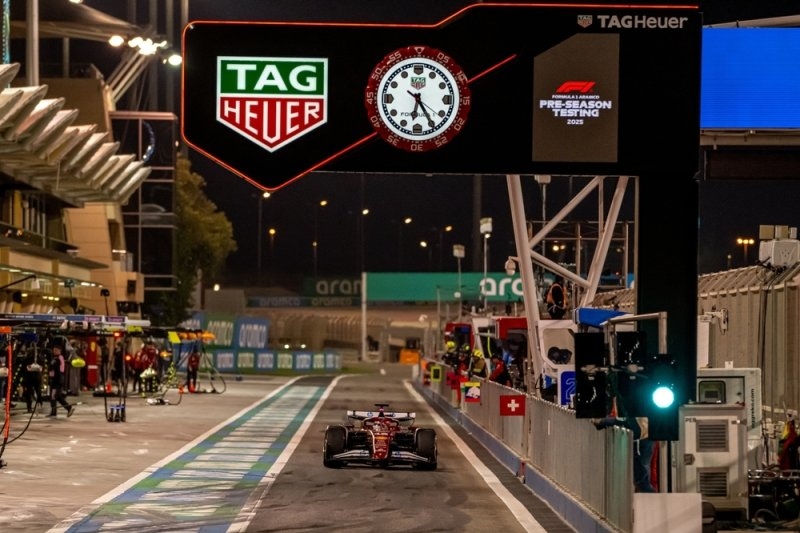
Bahrain F1 testing has more or less become the default, and once you look at the reasons, it's easy to see why. The Bahrain International Circuit throws abrasive tarmac, brutal heat, and a real mix of corner speeds at every car. The desert weather barely changes day to day, so comparisons between test days actually mean something, unlike venues where rain can wreck a session. Then there's the evening running under floodlights, which lets engineers watch how cars behave once temperatures drop.
F1 Testing Schedule: Testing Versus Race Weekends
Put testing and a race weekend side by side, and it's obvious why testing data shouldn't be read like race pace. Both involve cars circulating a track, sure, but the purpose, structure, and what gets released to the public couldn't be more different.
| Feature | F1 Testing | Race Weekend |
| Points Available | None, purely developmental running | Full championship points awarded |
| Fuel Loads | Hidden, varies lap to lap | Regulated, broadly similar across cars |
| Programme Focus | Reliability, correlation, tyre data | Qualifying pace and race strategy |
| Data Released | Limited, teams withhold key details | Official timing fully public |
That table alone explains why a fastest lap in testing rarely predicts who's actually quick come March.
How Does F1 Testing Actually Work?
A full testing block breaks down into a handful of distinct stages, each with its own priorities. Once you know the sequence, it's easier to understand why headlines swing so wildly from one session to the next.
1. The Private Shakedown
Before the cameras and public sessions start, teams sneak in a quiet shakedown away from prying eyes. It's a short run, but it catches the big mechanical embarrassments before anyone wastes expensive public track time.
2. Reliability-Focused Running
The early days of testing aren't glamorous. Teams prioritise long, dull stints over quick laps, deliberately hammering the cooling and mechanical systems. Better a failure now than during a points-paying race weekend.
3. Race-Simulation Runs
Later sessions mimic actual race distances, complete with realistic fuel loads, pit stops, and tyre management. It's not the full picture, but it's the closest thing to genuine pace fans get before racing starts.
Must Read: Want the deeper technical story? The F1 2026 technical regulations break down exactly what changed under the skin of this year's cars.
Understanding the Different Aspects Of Bahrain F1 Testing
Bahrain didn't become the preferred venue by accident. A few practical advantages keep drawing teams back year after year.
1. Abrasive Track Surface
Sakhir's rough tarmac chews through tyres fast, forcing teams to gather genuinely useful degradation data in a hurry. A softer surface elsewhere just wouldn't expose those weaknesses in such a short window.
2. Extreme Temperature Swings
Baking daytime heat and much cooler evening running create two different test environments in a single day. Cars cope with both extremes, mirroring what they'll face later across the actual calendar.
3. Reliable and Predictable Weather
Unlike Europe's rain-prone venues, Bahrain rarely throws a wrench into scheduled running, so teams get through their full programme. That consistency makes comparing performance across different days fairer for everyone.
What are the Benefits of F1 Preseason Testing?
Strip away the headline lap times, and this window still delivers real technical value that shapes decisions made deep into the opening races.
1. Confirming Simulator Correlation
Teams check whether real-world numbers match what the simulator predicted, since mismatched tools burn through resources fast during the season. Get the correlation right, and upgrades arrive faster and with far more confidence.
2. Building Tyre Understanding
Engineers spend hours studying wear rates and warm-up behaviour across compounds, sketching out an early baseline for race strategy. It's only a rough starting point, since conditions shift wildly from circuit to circuit.
3. Validating Aerodynamic Performance
Sensors and flow-visualisation paint confirm whether airflow behaves the way the wind tunnel predicted, across corners and ride heights. Any mismatch here means a rushed, costly redesign before the season gets going.
Top Pick: Curious how these rule changes reshape overtaking and strategy? The F1 2026 rules explained guide walks through the key changes in plain language.
How to Read F1 Testing Times Without Getting Fooled
Judge testing purely by the timesheets, and you'll almost certainly get it wrong, because a handful of hidden variables shape every lap.
1. Watching Fuel Loads
Teams never confirm fuel levels publicly, so that blisteringly quick lap might just be carrying far less weight than everyone else's. Treat any single fastest lap with a healthy dose of scepticism until race weekend settles the argument.
2. Tracking Engine Modes
Power units run in different modes, and a qualifying-style setting produces pace that has nothing to do with sustainable race running. Teams rarely say which mode delivered a headline-grabbing lap during testing.
3. Reading Program Priorities
Some teams chase quick laps purely for the marketing win, while genuine contenders quietly get on with reliability work instead. Spot that difference early, and you'll stop drawing the wrong conclusions from testing.
Conclusion
F1 testing rewards patient observers a lot more than it rewards headline-chasers scrolling through timesheets. Reliability, tyre trends, and simulator correlation matter more than raw pace over a handful of laps ever could. Understand these layers, and the season suddenly makes a lot more sense before a single point's been scored. Treat testing as a preview, not a verdict, and the opening races will click into place.
Frequently Asked Questions
How Long Does F1 Testing Usually Last Each Season?
Modern F1 testing typically spans two multi-day sessions held every February, giving teams roughly six full days of combined track running before the opening race weekend of the new season actually begins.
Why is Bahrain chosen for F1 testing so often?
Bahrain offers intense desert heat, abrasive tarmac, and varied corner speeds that stress every car realistically, plus reliable weather, making it far easier for engineers to compare data fairly across each session.
Can testing pace predict who wins the championship?
Not really, no. Teams juggle different fuel loads, engine modes, and priorities on any given day, so a fast testing lap only hints at form. It's way too early to call the real competitive order.
Do all drivers get equal track time during testing?
Not necessarily. Teams decide how to split running between their drivers, and while most give both race drivers plenty of mileage, the exact split often comes down to team strategy and driver experience.
What happens if a car breaks down during testing?
Honestly, engineers are almost relieved when it happens. A breakdown during testing means one less problem to deal with once real points are on the line, so catching it early actually saves the season.
This content was created by AI