Formula 1 Pit Stop Secrets that Save Precious Seconds

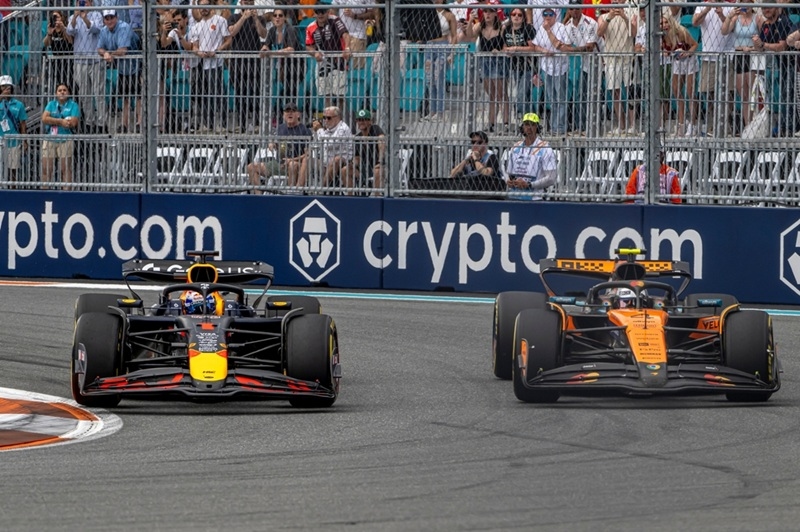
Formula 1 races are not won only on straights or corners. Sometimes the biggest move happens in the pit lane — in under three seconds. A driver enters the box, tires come off, fresh ones go on, the car drops, and it's gone. Looks smooth on TV. It is not smooth behind the scenes. It’s pressure, timing, muscle memory, data, and risk. One small mistake and a race falls apart fast.
Teams spend millions cutting tiny fractions of time because those fractions change championships. Mechanics rehearse nonstop. Sensors track every movement. Even the angle of a wheel gun matters. In this blog, we’ll break down the real Formula 1 pit stop secrets, the people behind them, plus the systems that help teams save precious seconds.
Formula 1 Pit Stop Secrets Behind Every Fast Stop
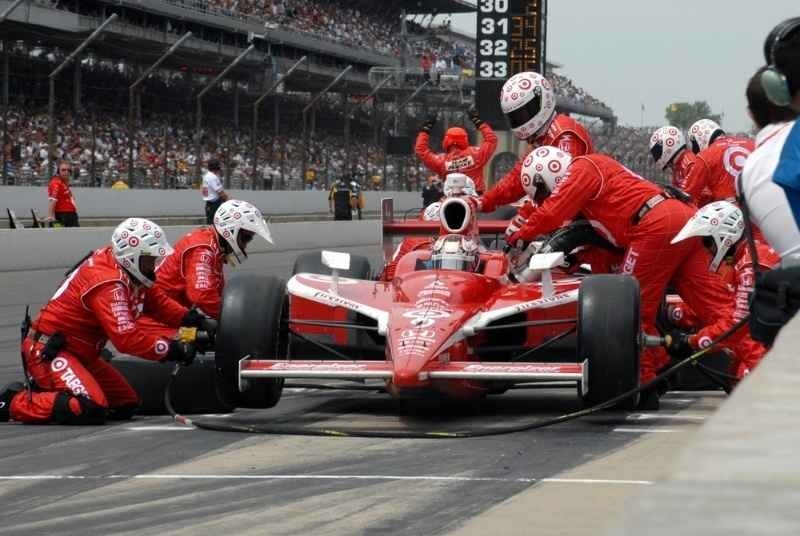
A modern F1 pit stop looks almost unreal. Twenty people jump into position before the car even arrives. The driver hits exact marks. Tires are removed and replaced almost instantly. Then release. No hesitation.
But speed is only one part of it. Consistency matters more.
How Timing Systems Control Formula 1 Tire Changes
Modern Formula 1 tire changes rely heavily on sensors and automated signals. Wheel guns are connected to systems that confirm when a tire is locked correctly. The jack operators also depend on light systems and real-time communication.
A release used to be based mostly on human judgment. Not anymore.
Now, software watches the stop along with mechanics. If one wheel is not fitted safely, the release system can block the green light. That safety layer prevents dangerous failures, though it sometimes costs extra tenths.
Also Read: F1 2026 Rules Explained: New Tech, Aero, and Overtakes
How Fastest F1 Pit Stops Became So Extreme
Years ago, pit stops took over six seconds regularly. Teams thought that was impressive. Now, anything above three seconds feels slow during a clean race.
Tiny Improvements that Changed the Sport
Several small upgrades transformed the fastest F1 pit stops over time
- Lighter wheel guns reduced mechanic fatigue during repeated stops. Earlier equipment was heavier and slower to reposition. Modern pneumatic guns are quicker, easier to handle, plus more accurate under pressure.
- Wheel nuts were redesigned to stay attached to the wheel instead of falling away. This removed one extra movement from mechanics. Sounds small. It saved valuable fractions at every stop.
It became obsessive after a point.
The Pressure During Record Breaking Stops
A two-second stop sounds exciting. Inside the garage, it feels brutal.
Mechanics know one error can cost podiums or jobs. During races, heart rates spike massively. Some crew members compare the stress to penalty shootouts in football. Except they repeat it many times during one race.
Why F1 Crew Training Never Really Stops
People assume pit crews only practice on race weekends. Wrong. Training continues all year.
Some teams rehearse pit stops hundreds of times before the season even begins. Muscle memory becomes everything. Crews want reactions to be automatic because there is no time to think once the car arrives.
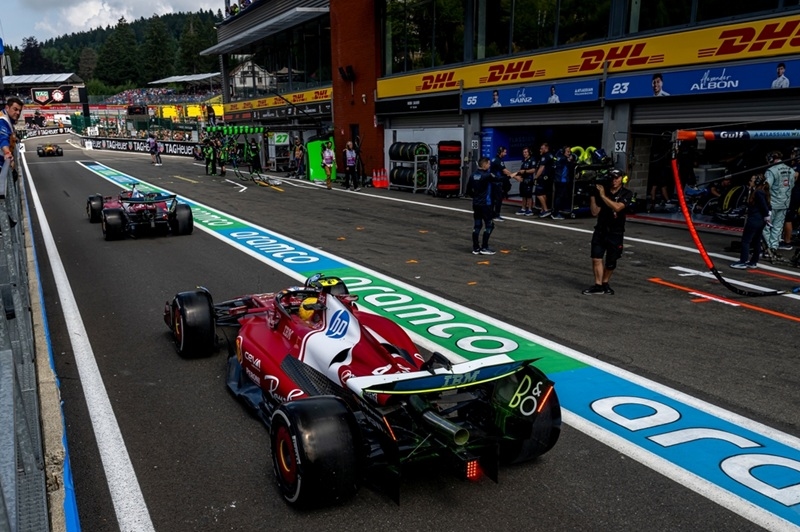
The Physical Side Of F1 Crew Training
Pit crew members train like athletes more than traditional mechanics. Strength matters, yet coordination matters more.
A wheel weighs roughly 20 kilograms with the tire attached. Mechanics must lift, align, remove, and replace it instantly under pressure. Repeat several times in one race. It is exhausting work.
Training often includes
- Sprint drills train mechanics to move fast around the car. They don’t focus on endurance—just pure, explosive bursts of speed. That’s what wins or loses a pit stop.
- Hand-eye coordination exercises using reaction lights or fast object tracking. Crews improve response time because even slight delays affect the total stop duration badly.
Not glamorous. Effective though.
Communication Can Make or Break a Stop
One unclear radio message creates chaos instantly.
Race engineers are always on the radio with drivers before the car comes in. Crew chiefs rally the pit crew just seconds before the driver hits the box. Every moment counts because race conditions can shrink pit windows down to almost nothing.
Don't Miss: F1 2026 Tech Regulations Transform Formula 1 Technology
How Formula 1 Race Mechanics Handle Pure Chaos
Formula 1 race mechanics work in environments that are unbelievably intense. Loud engines, heat, pressure from cameras, team bosses watching every move. Yet they still perform precise actions within fractions of a second.
Not every crew member touches a wheel.
Once the car stops, a few mechanics hold it steady. Others handle things like cooling or tweak the front wing if needed. There’s always backup standing by in case a gun jams or something goes wrong.
Mistakes That Cost Teams Valuable Time
Even top teams mess up. Common issues?
- Cross-threaded wheel nuts. One slipped nut, and the tire won’t seat right. Suddenly you’re losing seconds—or, worse, risking a race retirement if no one catches it.
- Unsafe releases where drivers exit before another car clears the pit lane. Teams receive penalties for this, sometimes destroying race strategy completely.
F1 punishes tiny errors hard.
Why Pit Lane Strategy F1 Teams Use is So Aggressive
Pit stops are not only about speed. Strategy matters just as much.
Teams are always crunching numbers on when to pit. They think about tire wear, traffic, shifting weather, surprise safety cars, and what the other teams are doing. Sometimes, everything in the stop goes smoothly, but the strategy call just doesn’t pay off.
An undercut? That’s when a driver dives in for new tires before rivals. With fresh rubber, they crank out faster laps while others struggle. Works more often than you’d think.
Conclusion
In Formula 1, one second is huge. Massive, honestly. A slow pit stop can drop a driver behind traffic, making overtaking harder for the next twenty laps. A fast stop can jump rivals immediately. Championships have been decided by moments smaller than a blink.
That is why teams obsess over details outsiders barely notice. Wheel gun angles. Crew spacing. Release timing. Tire temperature. Everything matters. And still, perfection rarely happens.
FAQs
Why do F1 cars sometimes turn off during pit stops?
Now and then, you’ll see an F1 car stall or shut off during a pit stop. Most of the time, that’s the anti-stall kicking in because the driver slipped off the clutch, or maybe there’s a clutch issue itself.
How many pit crew members work on an F1 car?
There’s a whole swarm of people around the car for every stop—usually about 20 are hands-on. Some swap the tires, a couple man the front and rear jacks, a few steady the car or clear away debris.
Why do F1 pit lanes have speed limits?
Safety comes first—no question. Pit lane is crowded with people and machinery, all inches from cars coming in hot. Without a hard speed limit, someone would get hurt sooner or later. It’s easy for chaos to take over.
Do weather conditions affect pit stops?
Oh, it definitely throws a wrench in things. Rain turns the pit lane into an ice rink; drivers can’t see their lines, and mechanics slip around on the slick concrete. On cold days, it’s tough for tires to get any grip leaving the box.
This content was created by AI