Why is the Las Vegas Strip Circuit So Unique in 2026?

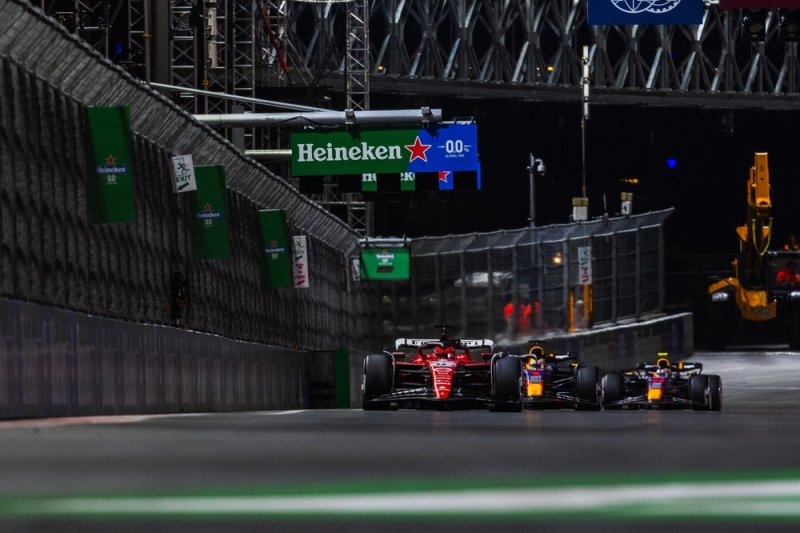
Quick Takeaway
- The Las Vegas Strip Circuit isn’t just another Formula 1 track. It’s fast, full of drama, and unlike anything else on the calendar.
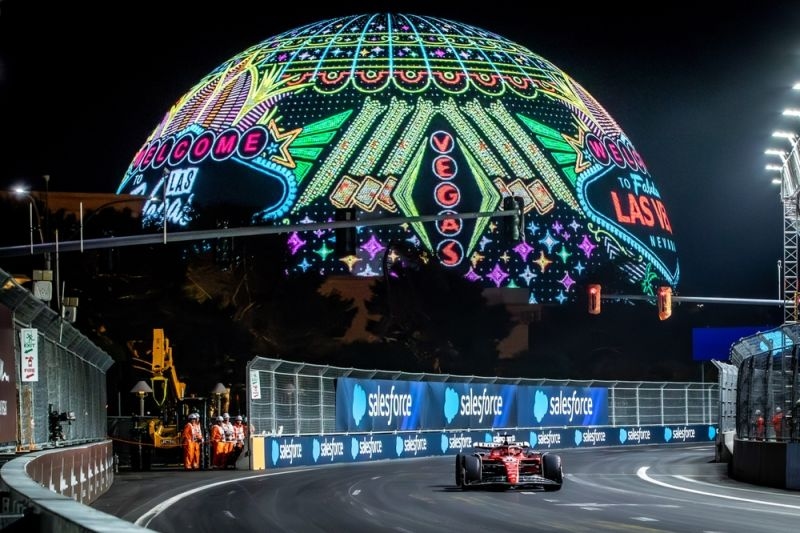
- You get rapid straights, tricky corners, and racing right under those neon Vegas lights.
- The layout really pushes drivers to battle wheel-to-wheel, so overtakes come thick and fast.
- No wonder the Las Vegas Grand Prix has rocketed to become one of Formula 1’s hottest tickets.
Since its comeback in 2023, the Las Vegas Strip Circuit has turned Formula 1 upside down in the best way possible. It grabbed the world’s attention almost overnight, pulling in crowds by the hundreds of thousands and bringing around $1.5 billion into Clark County, if you trust the local numbers. But there’s more to the Vegas GP than the glitz—this track is challenging and demands everything from both drivers and engineers.
Unlike your typical race track, this temporary street circuit snakes straight through the heart of Las Vegas. Drivers roar past famous resorts and landmarks, threading cars between barriers at over 210 mph (338 km/h). Every lap is a test of guts, precision, and focus. There’s just no room for mistakes.
In this dive into the Las Vegas Strip Circuit, we’ll break down what sets it apart, explore its layout, look at the technical headaches it causes, a Formula 1 street circuit, the Las Vegas race track, and the Vegas GP track layout, and see why the Vegas Grand Prix has already earned its place as a must-watch.
What Makes the Las Vegas Strip Circuit Different?
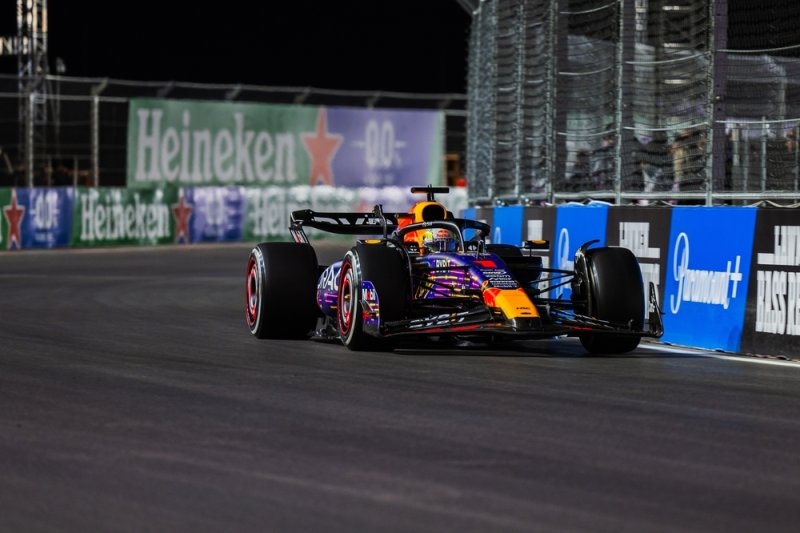
Every Formula 1 track has its quirks, but Vegas is on its own level. For one weekend a year, ordinary city streets become a world-class race track, then go right back to traffic as usual once the checkered flag flies.
This setup means the track surface changes quickly as the weekend progresses. Tire grip ramps up fast, and teams have to tweak their cars session by session to keep up. The desert climate adds another curveball. Days get scorching hot, but once the sun goes down during race weekend, temperatures can dive. That shift complicates tire management and makes it tough for drivers to find the grip they need, especially early in a stint.
A Closer Look at the Vegas GP Track Layout
This circuit was drawn up to deliver speed and reward precision. Start with the long straights—that’s where you see the engines at full stretch, with aerodynamics playing a huge role. Nail these sections, and you’re primed for overtaking, especially with F1’s DRS giving an extra shove. But it’s not all flat-out.
Technical Corners are Everywhere
Here, the best drivers show their touch—braking late, hitting apexes, and rocketing out of each turn. Miss by even a fraction, and you’ll lose time, maybe even hand your rival a free pass on the next straight.
Essential Reads: Teams Raise Las Vegas Grand Prix 2023 Concerns: What To Know
Why Do Drivers Face Unique Challenges?
Racing on the Strip is about way more than raw speed.
Practice is at a premium
Unlike permanent tracks that F1 drivers know inside and out, Vegas is fresh and unpredictable. Most of the homework happens in the simulator before they even land in Nevada. Once on track, drivers are adjusting minute by minute—figuring out where the grip is, how late they can brake, and what lines really work.
No Room for Error
The walls are closed, too. There’s just no run-off. Even a small mistake means kissing concrete or dropping the order. Only the most confident, controlled drivers rise to the challenge here.
The Spectacle Beyond the Racing
Racing in Vegas isn’t just about laps and lap times—it’s a show, plain and simple. The cars scream past casinos, mega-resorts, and landmarks you’ve seen in a hundred movies. The setting under all those Vegas lights makes for jaw-dropping TV and an electric atmosphere for the fans.
It’s this blend of world-class motorsport and legendary entertainment that’s made the Vegas Grand Prix a must-visit for fans worldwide.
Why the Las Vegas Strip Circuit Matters to Formula 1
Formula 1’s never been bigger in America, and the Las Vegas GP is a big piece of that growth. Alongside Austin and Miami, Vegas puts F1 smack in the middle of the US spotlight, but it stands out thanks to the wild spectacle and city-center location.
More than anything, it proves Formula 1 can stage major races in famous cities—not just at old-school tracks. For a lot of Americans, Vegas offers their first real taste of Grand Prix racing. And that’s huge for the sport’s future here.
Key Facts About the Las Vegas Strip Circuit
Here are the clear and distinctive key factors of las Vegas strip circuit in the following:
| Feature | Details |
| Circuit Type | Formula 1 Street Circuit |
| Location | Las Vegas, Nevada |
| Race | Las Vegas Grand Prix |
| Race Format | Night Race |
| Top Speeds | Over 210 mph (338 km/h) |
| Key Attraction | Racing Along the Las Vegas Strip |
| Track Style | High-Speed Straights, Technical Corners |
| Overtaking | Plenty of Hard-Braking Zones |
| First Modern F1 Race | 2023 |
How Teams Prepare for the Las Vegas Race Track?
Preparation for Vegas starts months before anyone even gets to Nevada.
Engineers run endless simulations
Looking at everything from tire wear and fuel use to braking distances and aero. Drivers clock virtual laps to get a feel for every corner, even if nothing’s quite like the real thing.
Setting up the car for this track is a balancing act
Teams want raw speed for those long straights, but can’t sacrifice too much grip for the twisty bits. Practice sessions are a whirlwind of tweaking suspension, dialing in downforce, and adjusting tire strategies on the fly.
Tires are the real wildcard
With cool nights, it’s tricky to get them warmed up. If you can’t find grip, your pace drops. Nailing tire temps can be the difference between a great race and a long night at the back.
Try This: Formula 1 Reels In $887M In Q3 Ahead Of Las Vegas Grand Prix
Why Is the Future of the Circuit Exciting?
Vegas is still a newcomer to the Formula 1 scene, but already it feels like a classic. Every year brings new tweaks to make the experience smoother for teams and fans. More data means better races, and drivers get bolder with each lap.
High speeds, dramatic overtakes, and all the Vegas glitz—it feels like this event’s just getting started. For fans, it’s more than just a race weekend. It’s Formula 1 evolving and opening up to a whole new world.
Conclusion
The Las Vegas Strip Circuit has fast become one of the signature venues in Formula 1. With its crazy mix of speed, technical demands, and one-of-a-kind backdrop, it offers something you just can’t get anywhere else—every lap delivers tension, excitement, and the chance for something spectacular.
We’ve looked at what sets this place apart, dug into the layout, the challenges, and the magic behind the Vegas GP. Its success isn’t just about the racing; it’s helping push Formula 1 deeper into the American mainstream.
And as the Las Vegas Grand Prix keeps growing, you can only expect bigger crowds, crazier racing, and some unforgettable moments under those neon lights.
Experience the Excitement for Yourself
The Las Vegas Grand Prix isn’t just racing—it’s a non-stop spectacle of speed, strategy, and showbiz. Keep up with the latest updates, dive into the stories, and soak up what makes this weekend a true standout. Whether you live and breathe Formula 1, or you’re just getting into the sport, right now is the perfect time to jump in.
FAQs
Can Fans Visit the Las Vegas Strip Circuit Outside Race Weekend?
Definitely. Because the track uses regular city roads, you’re free to drive or walk along much of the route year-round. The big barriers, fences, and grandstands disappear after the race, but plenty of landmarks remain. You really can trace the racing lines yourself.
How Does a Night Race Affect Formula 1 Teams?
Night races throw the usual routine out the window. Everything runs later—practice, qualifying, the race itself. So teams adjust sleep schedules, training, and prep work to make sure they’re at their sharpest when the lights go out.
Is the Las Vegas Strip Circuit Good for New Formula 1 Fans?
No question. It’s got action everywhere, loads of passes, and famous sights around every corner. Even if it’s your first Grand Prix, you’ll get swept up in the atmosphere—and you won’t have any trouble following the action. There’s really no better race for jumping into the world of Formula 1.
This content was created by AI