Fastest Pit Stop F1 Ever: The Record and How Crews Train

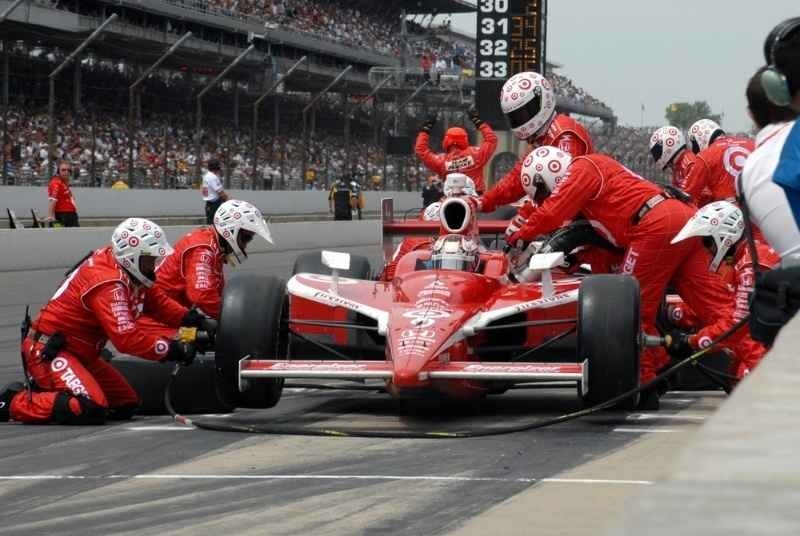
Watch a Formula 1 pit stop once, and you'll probably rewind it. Twenty crew members swarm a car, four tyres vanish and reappear, and the whole thing is over before you've finished blinking. That's not luck. It's years of drilling, timed to the hundredth of a second, by people most fans never learn the names of. Here's what actually goes into the fastest pit stop in F1, how teams get there, and what the job pays once the cameras move on.
Key Takeaways
- The fastest pit stop in F1 history is 1.80 seconds, set by McLaren at the 2023 Qatar Grand Prix.
- The average pit stop time in F1 these days runs between two and three seconds for a clean stop.
- Drivers usually pit one to three times a race, depending on tyres and track conditions.
- Since 2013, when timing became official, the record has only fallen by 0.12 seconds. That's how tight this margin has gotten.
- Pay for F1 pit crew members swings wildly, from around $30,000 up to nearly $1 million for a senior crew chief.
What Actually is the Fastest Pit Stop in F1?
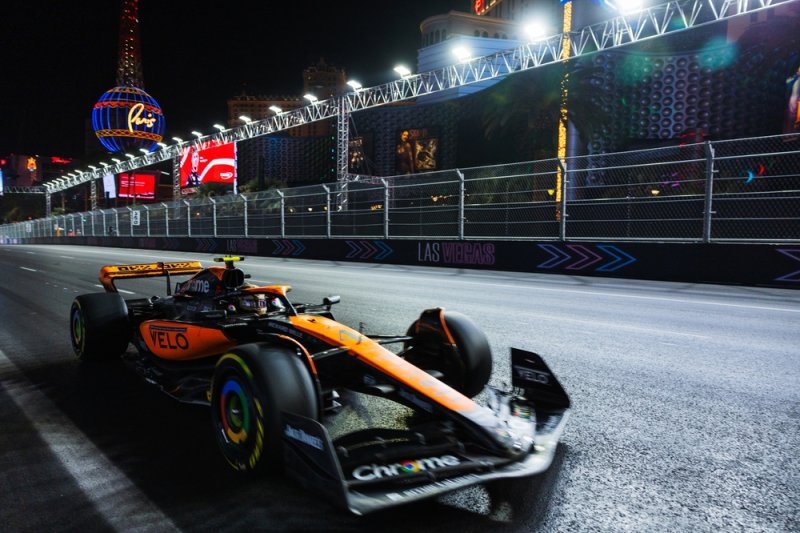
It's measured as "stationary time"; the clock starts the second the car stops and ends the second it drives off. McLaren owns the current world record, a 1.80-second stop for Lando Norris during a night race at the 2023 Qatar Grand Prix, shaving two-hundredths of a second off the previous mark.
Doesn't sound like much on paper. In pit lane terms, it's basically the ceiling of what a human body can do.
The Fastest F1 Pit Stop in History: How We Got Here?
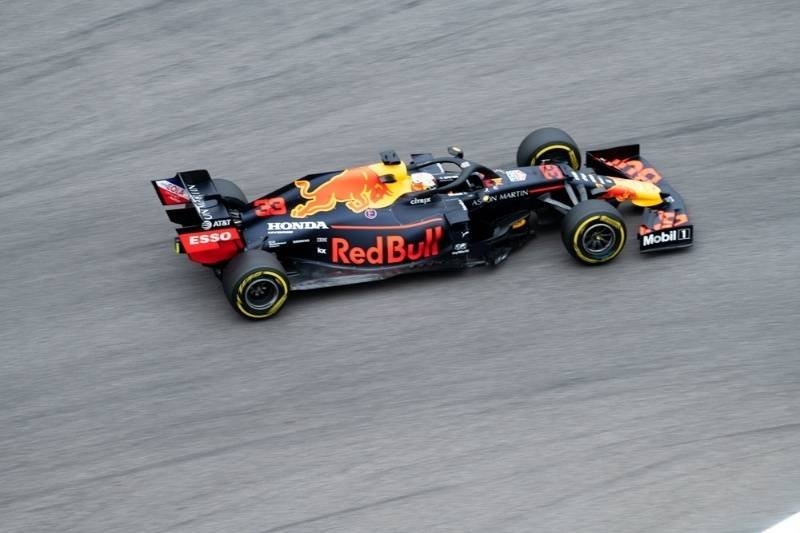
The record didn't just appear one day. Teams clawed their way toward it, tenth by tenth, for over a decade.
Red Bull sat on top for nearly four years with Max Verstappen's 1.82-second stop at the 2019 Brazilian Grand Prix. Go back further, and Williams was already flirting with greatness in 2016, matching the then-record of 1.92 seconds for Felipe Massa in Azerbaijan.
A quick look at how the top stops rank:
| Rank | Time | Team & Driver | Race |
| 1 | 1.80s | McLaren, Lando Norris | Qatar GP 2023 |
| 2 | 1.82s | Red Bull, Max Verstappen | Brazil GP 2019 |
| 3 | 1.88s | Red Bull, Max Verstappen | Germany GP 2019 |
| 4 | 1.91s | Red Bull, Pierre Gasly | British GP 2019 |
| 5 | 1.92s | Red Bull, Mark Webber | Malaysia GP 2013 |
| 5 | 1.92s | Williams, Felipe Massa | Azerbaijan GP 2016 |
Since official monitoring kicked off in 2013, the record has moved by just 0.12 seconds, which tells you exactly how close teams already are to the limit of physics and nerve.
Must Try: Formula 1 Races in Doubt After Belgian Grand Prix Chaos
What's the Average Pit Stop Time in F1?
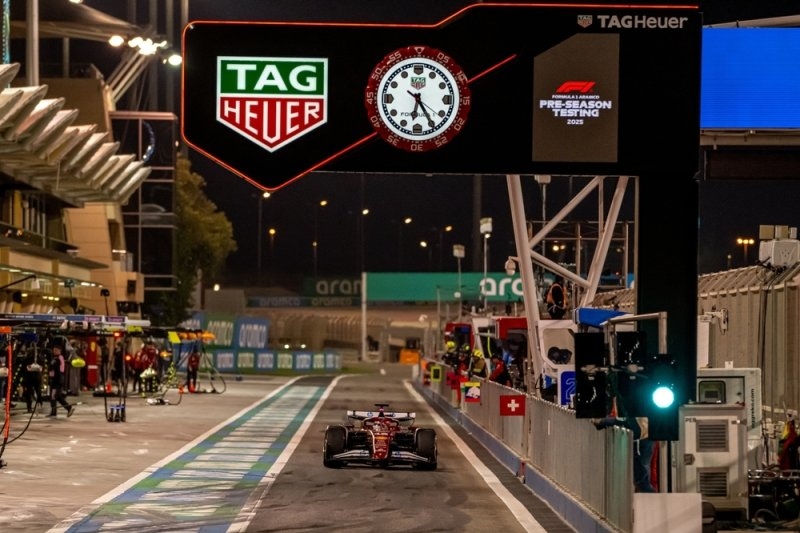
Forget the record for a second; that's the exception, not the rule. The average pit stop time in F1 is a lot more modest, usually landing somewhere between two and three seconds.
Rough breakdown of what "normal" looks like:
- Top teams (Ferrari, McLaren, Red Bull): around 2.0 to 2.5 seconds on a good day
- Midfield teams: closer to 2.5 to 3.0 seconds
- A genuinely botched stop, cross-threaded nut and all: five seconds or worse
The weather doesn't help either. Cold tires, damp garages, nervous hands—any of it can throw off a well-drilled crew.
How Many Pit Stops in F1 Does a Race Actually Need?
Here's a question a lot of new fans ask: how many pit stops in F1 does a driver make? There's no fixed number; it comes down to strategy.
Most dry races see one to three stops. The rules force at least one, since every driver has to run two different tire compounds during the race. Bumpier tracks that chew through rubber often push teams toward two-stop or even three-stop plans.
Rain throws the whole plan out the window. Wet races can mean extra, unplanned stops as the track changes lap after lap.
How do Crews Even Train for Sub-Two-Second Stops?
Pit crews don't train like mechanics. They train like sprinters.
- Daily reps back at the factory, timed down to the hundredth
- Video breakdowns after every practice run, hunting for wasted motion
- Strength and reaction drills borrowed straight from athletics
- Pressure simulations designed to recreate race-day noise and chaos
Roughly twenty people move around one car in near-total silence. Miss a beat, and the whole sequence falls apart in front of millions of viewers.
What's the F1 Pit Stop Salary?
Given how specialized the job is, people naturally ask about F1 pit stop salary numbers. Pay ranges from about $30,000 for junior mechanics up to nearly $1 million a year for a senior crew chief, depending on role and experience.
Worth noting: almost nobody is hired just to do pit stops. Most crew members are full-time mechanics who take on pit lane duty as an extra, high-stakes job on top of their regular work. Win bonuses and championship payouts can add a decent chunk on top of that base figure.
Could We Ever See a 1.7-Second Stop?
Maybe. Engineers certainly think it's possible. But every extra tenth shaved off now comes with more risk attached; a mistimed release or a loose nut costs far more time than it saves. Teams have started chasing consistency over pure speed, which makes sense when a five-second penalty can undo a whole race.
Until then, McLaren's 1.80 seconds stays the number every pit crew in the paddock is quietly chasing.
Also Read: F1 Power Unit Components: Every 2026 Driver's Usage Guide
FAQs
What is the fastest pit stop in F1 history?
McLaren holds the record, a 1.80-second stop for Lando Norris at the 2023 Qatar Grand Prix. It edged out the previous record, held by Red Bull since 2019, by just two-hundredths of a second.
What's the average pit stop time in F1 these days?
Most competitive teams average somewhere between two and three seconds per stop. The fastest crews, like Ferrari, McLaren, and Red Bull, often get closer to the two-second mark on a clean, well-drilled run.
How many pit stops happen in a typical F1 race?
Usually one to three per driver, since the rules require at least two tyre compounds during the race. Track abrasiveness, weather, and safety car timing, all of which factor into whether teams go with one stop or several.
How much do F1 pit crew members actually earn?
It varies a lot by role and experience, anywhere from around $30,000 for junior mechanics to close to $1 million for a senior crew chief. Race wins and performance bonuses can add a solid amount on top.
Why did F1 pit stops get so ridiculously fast?
Refueling got banned, wheel guns improved, and crews started training like professional athletes instead of garage mechanics. Since 2013, the record has only dropped 0.12 seconds, proof of just how close to the limit teams already are.
This content was created by AI