F1 Teams Ranked for 2026: Pace, Budgets and Title Chances

Key Takeaways
- Eleven F1 teams are racing in 2026, the first time the grid has grown past ten in nearly a decade.
- Audi and Cadillac are the two new names, joining as a full works team and a GM-backed entry.
- Mercedes came out of the gate fastest, while Red Bull Racing has had a genuinely tough start.
- McLaren is defending its title but hasn't picked up a win yet under the new rules.
- F1 team budgets jumped to 215 million dollars a season, though that figure covers more than before.
- Tire strategy has become even more important now that the new regulations have changed how cars handle wear.
2026 F1 Teams: Who is Fast and Who is Rebuilding?
F1 hasn't looked this unpredictable in years. The 2026 season brought a huge rules reset, two brand new manufacturers, and a grid order that got shaken up almost overnight. Fans keep asking which F1 teams can actually fight for wins this year and which ones are still figuring out their new cars. Here's a proper look at the current grid, what teams are spending, and how strategy calls play out on race day.
How Many F1 Teams are There in 2026?
There are 11 F1 teams on the grid this year, running 22 cars between them. This is the first time the field has grown past ten constructors in almost a decade, and it happened because Audi came in as a full works team and Cadillac joined as a new manufacturer backed by General Motors.
That should settle the "how many F1 teams are there" question people keep typing into Google. Here's the full lineup as it stands right now.
| Constructor | Status in 2026 |
| Ferrari | Established, chasing a return to title form |
| McLaren | Defending champions |
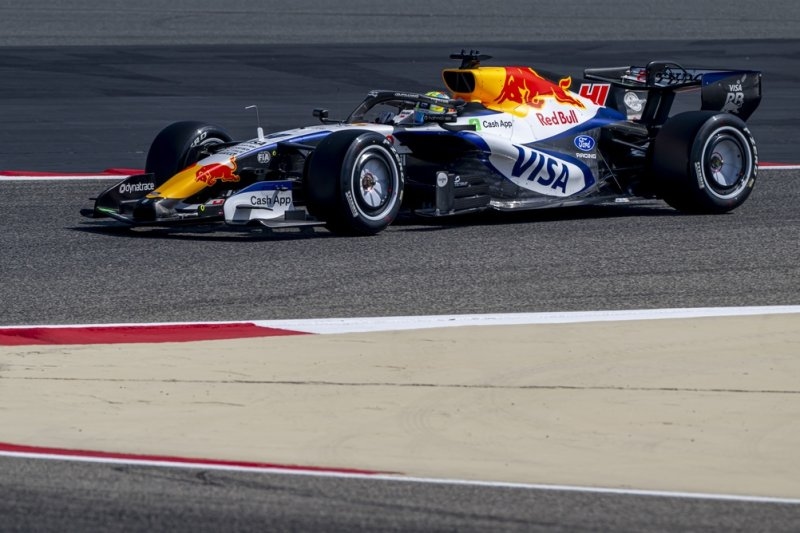
| Red Bull Racing | Rebuilding after a tough start |
| Mercedes | Early pace-setter |
| Williams | Historic team, long-standing grid regular |
| Aston Martin | Established midfield-to-front runner |
| Alpine | Established constructor |
| Haas | Established constructor |
| Audi | New full works entry (formerly Sauber) |
| Cadillac | Brand-new 2026 debut entry |
| Racing Bulls | Red Bull's sister team |
Audi's cars are still built in Hinwil, Switzerland, but the power unit comes out of a new facility in Germany. Cadillac is running a customer's Ferrari engine for now while it works on its own powertrain behind the scenes.
What Makes the Best F1 Teams Right Now?
Figuring out the best F1 teams this year isn't just about who's won championships in the past. It comes down to current form, how disciplined a team is with its budget, and how quickly it adapts to the new rules. That reset has genuinely scrambled the usual pecking order, so last year's standings don't tell you much.
Mercedes came out swinging early in the season, while a few of the usual front-runners have slipped further down the table than expected. A lot of it comes down to who nailed the new car concept and who's still catching up on power unit reliability. That's really the story of 2026 so far, and it could easily flip again once upgrades start landing.
Red Bull Racing is Going Through a Tough Rebuild
Red Bull Racing spent years at the top, but this season has looked completely different. It's the first year without Adrian Newey and the first season running Red Bull Powertrains-Ford as an in-house engine, and that transition clearly hasn't been smooth.
Points have been hard to come by early on, and the team is sitting well outside the top five. There's also been a reported weight problem with the new car, and Verstappen had an engine failure during the China round. Isack Hadjar, stepping in as his teammate, has actually out-qualified him a few times already.
A big upgrade is reportedly coming soon, and it might end up defining how the rest of Red Bull Racing's season goes.
Must Try: F1 2026 Tech Regulations Transform Formula 1 Technology
McLaren F1 Team is Defending its Title
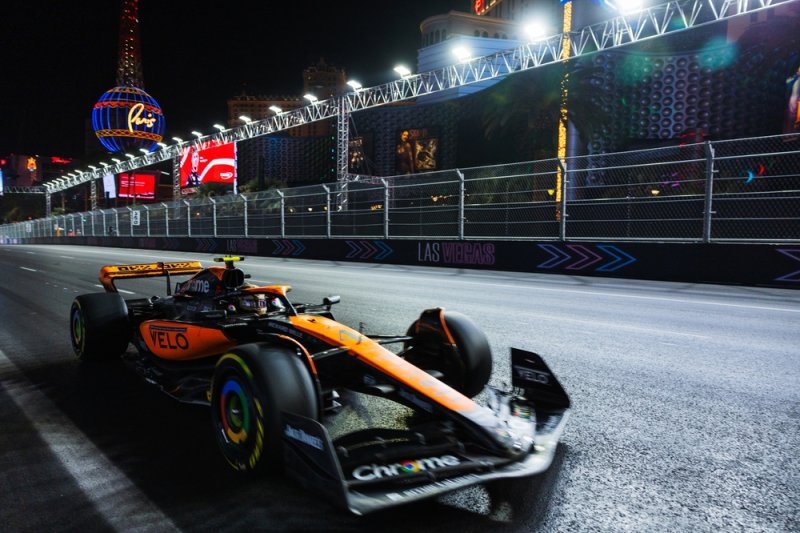
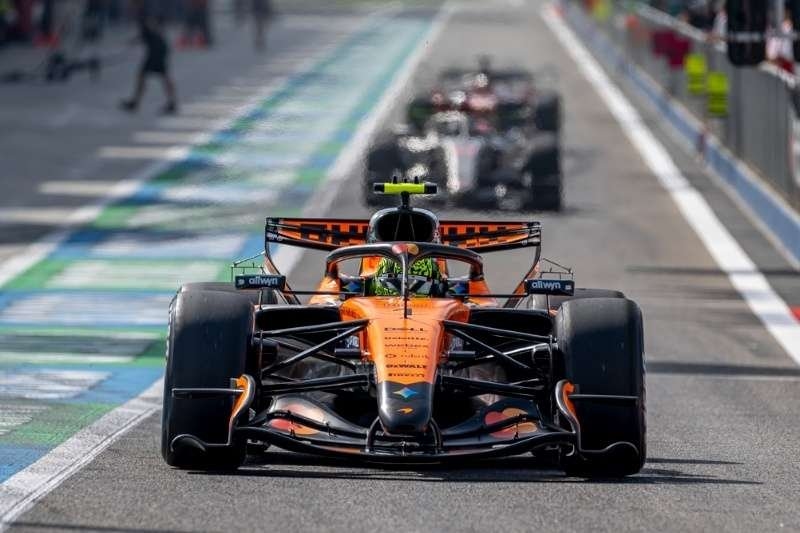
The McLaren F1 team goes into 2026 as reigning champion, and that brings real pressure into a season with all-new rules. Lando Norris is leading the effort, and the team's engineering department is still one of the most respected in the paddock.
That said, nothing about adapting to a full regulation change is guaranteed, no matter how strong a team was last year. McLaren hasn't converted its title-winning form into a win yet under the new cars, which tells you how open this season really is. It's honestly one of the more interesting storylines to keep an eye on for the rest of the year.
How Does the F1 Constructors Championship Work?
Every driver picks up points for their team based on where they finish, and those totals get added together for the F1 constructors' championship. It matters just as much as the driver's title, since it directly affects prize money and standing in the paddock.
Both cars from a team count toward the same total, so it really helps to have both drivers scoring consistently. With 11 F1 constructors on the grid now, the points are spread thinner than they've been in years. More teams also means more variety in car concepts, strategy, and how much risk teams are willing to take on a Sunday.
What are F1 Team Budgets Like Now?
F1 team budgets look very different heading into 2026, and it's worth understanding what actually changed. The cost cap went up from 135 million to 215 million dollars, but that's not really extra spending power. A lot of costs that used to be exempt now count toward the cap.
| Season | Cost Cap |
| 2021 | $145 million |
| 2023–2025 | $135 million |
| 2026 onward | $215 million |
Engine manufacturers have their own separate cap too, which is rising to 130 million dollars for 2026 and sits outside the main budget entirely. Sauber, now Audi, also gets a cost offset because of Switzerland's higher wages compared to the UK. So the two caps run in parallel, and teams have to manage both at once.
How do F1 Teams Pick Tire Strategy?
Tire strategy really comes down to data, track conditions, and how fast each compound wears out during a stint. Engineers are constantly checking tire models against live telemetry to figure out the best moment to pit.
A few things usually shape the final call on race day:
- Track temperature, because heat speeds up tire wear a lot faster.
- Compound choice, since softer tires grip better but don't last as long.
- Safety car timing, which can hand teams a cheap pit stop.
- What rivals are doing, since undercutting or overcutting can flip the running order.
Get this wrong and a car that looked strong at the start can fade badly by the final laps.
Final Thoughts
This season has genuinely reset what people thought they knew about F1 teams. With 11 constructors, a new budget structure, and two fresh manufacturers on the grid, the competitive order is shifting almost every race weekend. Whether it's Red Bull trying to rebuild, McLaren defending its title, or the tire calls deciding Sunday afternoons, one thing is clear: nothing about F1 in 2026 feels settled yet.
Also Read: Five Famous Japanese Grand Prix Battles in F1 History
FAQs
How do new manufacturers join the F1 grid?
They need the FIA's approval first, plus they have to tick a bunch of technical and financial boxes. There's usually an entry fee too, split among the existing teams. Audi and Cadillac both went through this, just in different ways; one took over an existing outfit, and the other built things up from the ground up.
What happens if an F1 team overspends the budget cap?
Depends on how bad the overspend is, honestly. Go over by a small amount, and you're looking at fines or losing some wind tunnel time. Go over by a lot, and it gets a lot worse, with points deductions. Red Bull actually got hit with this back in 2021, so it's not just a theoretical rule.
How is F1 prize money divided among teams?
It's mostly tied to where a team finishes in the constructors' championship, so higher up the table means a bigger payout. But it's not purely about results either; there are legacy bonuses and separate commercial deals in play too. That's actually why two teams can finish close together and still walk away with pretty different amounts.
Which F1 teams are new for 2026?
Audi and Cadillac are the two fresh faces this season. Audi basically took over what used to be Sauber and turned it into a full works team, while Cadillac came in as a GM-backed entry running its own drivers.
What is the current F1 team budget cap?
The budget cap climbed to 215 million dollars for 2026, up from 135 million previously. That doesn't really mean teams have more room to spend, though; it mostly just means more cost categories now fall under the cap.
Is Red Bull Racing still a top F1 team in 2026?
Not really, at least not yet. Red Bull's been rebuilding after losing some key people and switching to its own engine supplier, and results have been shaky so far, though a big upgrade later this season could turn things around.
This content was created by AI