Las Vegas Grand Prix Itinerary: Everything Newcomers Need

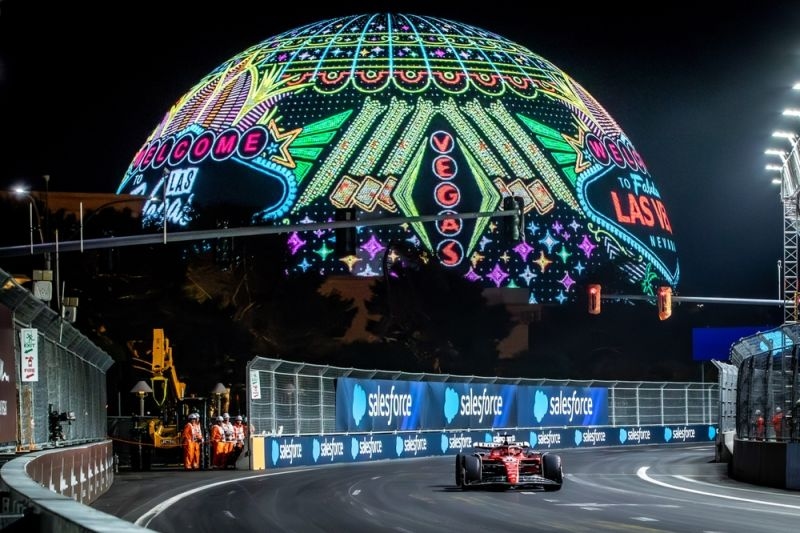
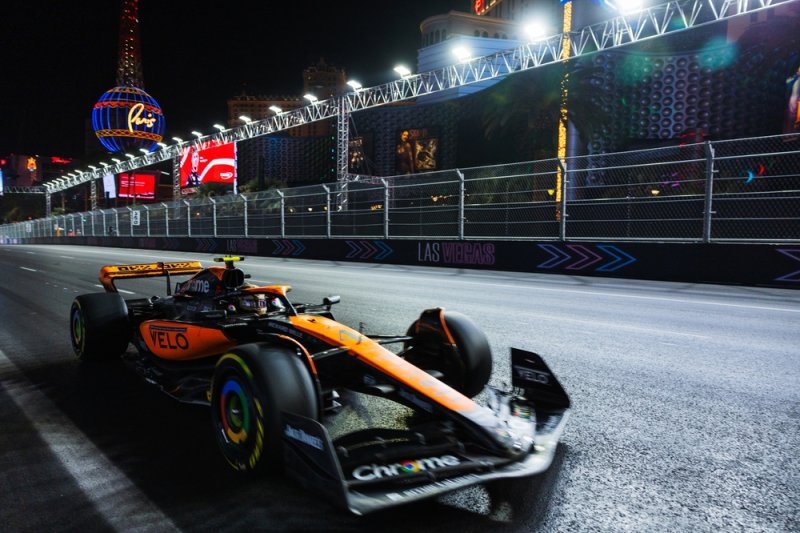
The Strip hits different when twenty turbocharged cars are screaming down Las Vegas Boulevard at 210 miles per hour in the middle of the night. You aren't just visiting a casino town for a regular weekend getaway. You are stepping into an active, locked-down street circuit where normal pedestrian bridges are blocked off, road traffic is nonexistent, and track sessions don't even start until most East Coast visitors are ready for bed.
Trying to wing it on arrival is a guaranteed way to spend your night trapped behind temporary fencing or missing the start of qualifying. Putting together a solid Las Vegas Grand Prix itinerary means understanding the weird late-night timing, knowing how to cross the track without walking three extra miles, and pacing yourself so you don't crash before Saturday night's lights go out.
Why Standard Vegas Rules Don't Apply During Race Week?
On a normal Tuesday in November, you can grab a taxi from McCarran Airport and be checking into your hotel room twenty minutes later. Once race week kicks off, that entire playbook goes out the window.
The boulevard transforms into a closed-off fortress. Temporary barriers, grandstand structures, and vehicle checkpoints cut off familiar walking paths between major resorts. If your hotel sits inside the track perimeter and you don't plan your arrival around the road closure schedule, you could end up stuck in gridlock for hours just trying to cross an intersection. Building a realistic race weekend itinerary starts with accepting that getting from point A to point B takes triple the time you are used to.
Las Vegas Grand Prix Itinerary: Things Newcomers Need
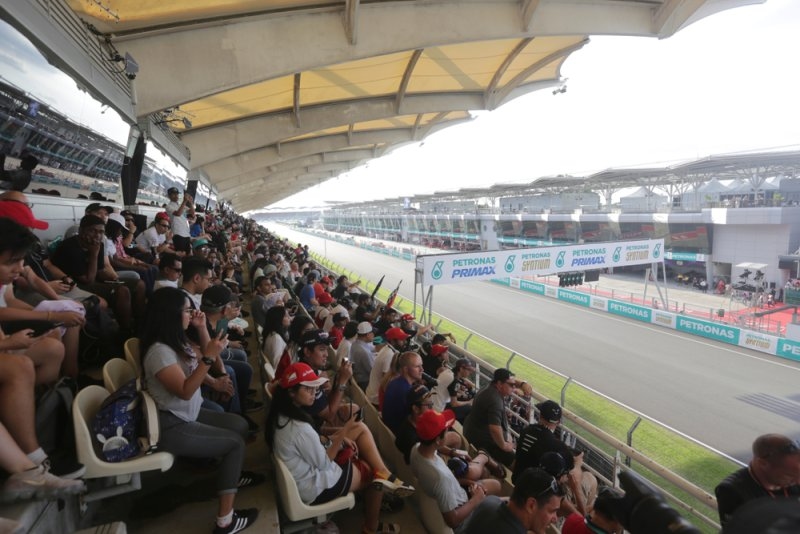
Packing for a midnight street race in the desert looks totally different than packing for a summer pool party. Here is what you actually need to have on your person before you head toward the gates:
1. Real Winter Layers
People forget that the desert freezes once the sun drops. Sitting still in a metal grandstand at 1 a.m. in late November gets bitterly cold, so bring a windproof jacket and thermal layers.
2. Comfortable Distance Footwear
You are going to walk way more than you think. Normal casino shortcuts get chained off for paddock security, turning a quick five-minute stroll between properties into an hour-long detour around temporary bridges.
3. Offline Venue Maps
Cell towers get hammered when over a hundred thousand fans try to upload videos at the same time. Save images of your zone entrances and walking routes directly to your camera roll so you aren't stuck loading a blank browser tab.
4. Physical Ear Protection
Formula 1 engines echo off concrete hotel towers with serious force. Grab a pair of decent earplugs or noise-canceling headphones, especially if you have seats near heavy braking zones or downshift areas.
How to Make a Perfect F1 Vegas Travel Plan?
Getting the logistics right comes down to adjusting your body clock early and booking your transport around track closures. Use these steps to build an F1 Vegas travel plan that actually works:
1. Switch to a Vampire Sleep Schedule
Track sessions run late into the night. Start pushing your sleep schedule back two days before you fly out so you wake up around noon and stay sharp until three in the morning.
2. Book Your Hotel Inside Your Grandstand Zone
Don't book a room on the north end of the Strip if your grandstand tickets are down near the airport. Pick a resort on the same side of the circuit as your ticket zone so you can walk home after the sessions end.
3. Skip Rideshares Immediately After the Session
Trying to call an Uber at midnight when seventy thousand people exit the grandstands at once is a waste of money. Hang out at a casino lounge for an hour after the track goes quiet to let the surge pricing and crowd bottlenecks clear out.
4. Lock In Reservations Weeks in Advance
Walk-in dining near the circuit basically ceases to exist during race week. Reserve your lunch and late-night dinner tables early so you aren't stuck eating cold casino food court snacks at 2 a.m.
A Detailed Formula 1 Travel Guide for First-Time Visitors
Navigating your first street race requires some street smarts. This Formula 1 travel guide breakdown will keep you from making the standard rookie errors:
1. Understand Zone Restrictions Before Buying
Your ticket only gets you into your specific assigned area. You can't wander over to the Sphere zone if you bought a ticket for the East Harmon Zone, so check what entertainment and food vendors are inside your section first.
2. Use the Monorail to Cross the Circuit
The Las Vegas Monorail runs above the street obstructions and connects several major resorts along the eastern side of the track. It is hands-down the fastest way to move north and south without getting stuck in pedestrian traffic.
3. Watch the Track Reopening Times
Public roads open back up for regular daily traffic a few hours after the track sessions end. Knowing those exact reopening windows makes booking daytime taxis or heading off-Strip for lunch much easier.
Conclusion
Attending a Grand Prix under the casino lights is an incredible experience, but it rewards people who come prepared. Respect the sheer scale of the street closures, dress for freezing late-night desert weather, and flip your sleep cycle before you get on the plane. Once you get your timing and walking routes dialed in, you can focus entirely on the racing.
Frequently Asked Questions
Can you watch the race from pedestrian bridges on the Strip?
No. Security crews install privacy screens and barrier tinting along public overpasses and walkways above the circuit. Police and event staff keep pedestrian traffic moving constantly to prevent crowds from stopping to watch the cars for free.
What airport transport option makes the most sense during race week?
Avoid standard taxis if your hotel sits near the central Strip closures. Your best bet is booking a confirmed shuttle or using the airport monorail connections where available, arriving well before the afternoon street lockdown begins.
Are portable phone battery packs allowed inside the ticketed grandstand zones?
Yes, standard lithium-ion power banks are permitted through security checkpoints. You will definitely need one, since searching for a network signal in crowded grandstands drains your battery much faster than normal.
How loud are the support series races compared to Formula 1 cars?
Support series like the Ferrari Challenge can actually sound louder and higher-pitched than modern turbocharged F1 hybrid engines. Bring your ear protection to the track early so you have it ready before the support laps start.
Is it possible to see the drivers or team garages without a Paddock Club pass?
You won't get into the hot pit lane without hospitality credentials, but fans can often spot drivers arriving at the track entrances or hosting official fan-zone stage interviews during the early Thursday and Friday afternoon schedules.
This content was created by AI