Why Super-Clipping Makes F1 Drivers Lift Mid-Corner?

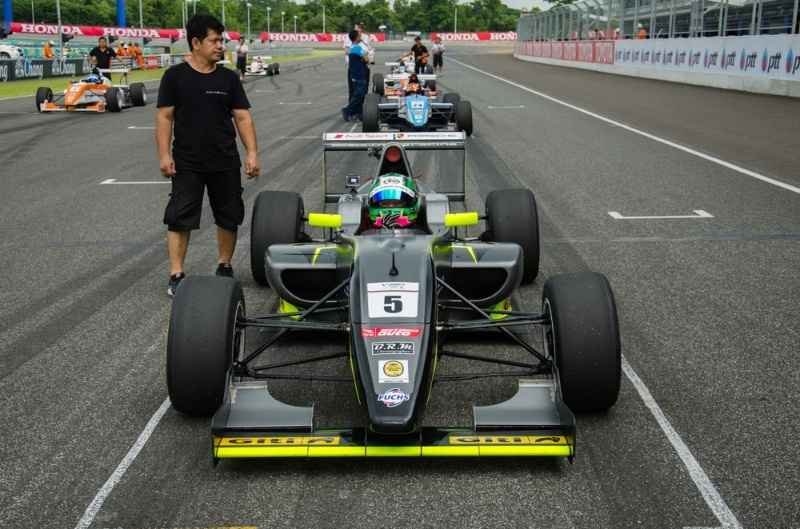
Let’s be honest — Formula 1 is tough enough to follow without all the technical lingo. On TV, a lap looks smooth and fast, almost effortless... then, out of nowhere, drivers ease off the gas right when you’d expect them to go flat out. Fans spot it. Commentators mention it in passing, then the action jumps somewhere else. Lately, one phrase keeps popping up: Super-Clipping. It sounds like another layer of F1 code, but the concept is actually pretty straightforward.
Super-clipping changes the way power gets used—where drivers find speed and why sometimes they lift off in corners that look made for full throttle. What’s behind that quick tap off the pedal? It’s not nerves, and it’s not a mistake. It’s a strategic move.
So, what’s really going on? Let’s break it down.
How Super-Clipping Changes Modern F1 Racing?
Super-Clipping is tied to how hybrid Formula 1 engines manage electrical energy during a lap. Modern F1 cars do not only rely on fuel-powered engines. Power enhancement from electric propulsion systems generally occurs during the course of normal operation at full throttle or under sudden acceleration conditions.
Electric energy typically provides additional power. But there is a limit. Once that stored energy runs low or reaches a deployment cap, performance drops. Super-clipping happens when the electrical boost fades earlier than expected during a section of the lap.
Why Energy Deployment Matters More Than Raw Speed
F1 is no longer just about horsepower. Energy management sits close to the center of race strategy. Teams plan where battery power gets used, where it should be saved, and plus how long it lasts.
If electrical deployment ends too soon, a driver becomes vulnerable on straights. Rivals gain speed quickly. A tiny mistake turns into lost positions.
Why Drivers Cannot Ignore Super-Clipping
Ignoring the super clipping F1 strategy would be reckless. Drivers know exactly where power will fade around a lap. They prepare for it before the race even starts.
This is not random lifting. It is planned. A driver may slightly lift through a corner or manage throttle input so electrical energy stretches longer into a straight. Looks odd from the outside, but inside the cockpit, it makes sense.
Don't Miss: F1 2026 Tech Regulations Transform Formula 1 Technology
Understanding Super Clipping F1 Through Race Strategy
The phrase “super clipping F1” gets mentioned more during races because teams are constantly balancing risk against performance. Drivers cannot use maximum electrical deployment everywhere.
There are limits built into regulations. Teams decide where the biggest reward exists—long straights, overtaking zones, and defensive sections.
Teams think about a bunch of things:
- Track layout matters a lot. Some circuits punish bad energy management — long straights really show when you run out of power, because you slow down before you reach the end.
- Defending drivers sometimes hold back on using all their power early. They save it for the right moment, usually when it counts most.
- Weather and grip throw another wrench into things. Rain, heat, or a slippery track mean drivers can’t always use full throttle, which messes with their energy plan.
Everything adds up. Nail one corner, and you’re set up for the next few. Miss one detail, and the whole lap goes sideways.
Why Certain Tracks Expose the Problem More
Not every circuit shows super-clipping equally. Tracks with long straights, heavy acceleration zones, or sharp exits reveal it more clearly. Drivers may suddenly lose pace halfway down a straight. Fans sometimes think something broke. Usually, nothing has.
Suggested Reading: F1 2026 Rules Explained: New Tech, Aero, and Overtakes
Clipping vs Super Clipping F1 Explained Simply
People often confuse clipping vs super clipping F1 because both involve reduced electrical deployment. But there is a difference. Basic clipping happens when electrical power naturally reaches its limit during acceleration. The expectation is that it can be controlled.
The super-clipping phenomenon is more noticeable than it is when the reductions in deployment have a greater impact on the overall pace of the lap; therefore, the super-clipping phenomenon is associated with reduced ability of the driver to maintain a constant pace throughout a single lap, which can lead to greater variations from lap to lap.
Think of normal clipping as the car easing back slightly. Super-clipping feels more dramatic—almost like performance suddenly steps down.
Why Teams Work Around Super-Clipping
Engineers spend a massive amount of time trying to reduce the impact. They adjust deployment maps, corner approaches, and throttle behavior to keep power delivery smoother.
Some teams manage it better than others. Tiny setup changes matter more than fans realize. A car with smoother deployment often feels stronger, even when top speed numbers look similar.
Why Future Rules Could Change The Problem
Upcoming engine rules may shift how electrical systems work. Since hybrid power is becoming even more important, energy deployment will likely play a bigger role. That means super clipping F1 discussions probably will not disappear soon.
Drivers may need even smarter ways to balance aggression with battery management. Fast alone may not be enough anymore.
Also Read: How F1 Teams Develop Their Winning Race Strategies
Conclusion
Super-Clipping sounds complicated, but here’s the deal: F1 cars get a burst of electric power for extra speed. If the car uses that boost too soon, it fades, and drivers have to adapt. That sometimes means lifting off mid-corner—right where you’d expect them to mash the throttle. From the outside, it looks odd, maybe even boring, but it’s all calculation. A quick lift now can mean they’re faster later on the lap. That’s modern F1. Fast, technical, always a little weird. Behind every seemingly quiet moment are layers of planning and split-second decision-making.
FAQs
Does Super-Clipping make overtaking harder in F1?
Absolutely. If a driver loses electric power too soon, they slow down on the straight. It’s much tougher to overtake, and being slow makes them an easy target for anyone behind, especially in DRS zones.
Can drivers control Super-Clipping during a race?
They have some control—things like throttle use and different energy modes—but most of it’s set by the team beforehand. Engineers can tweak things over the radio if something changes out on track, but there’s only so much wiggle room.
Do all F1 teams handle Super-Clipping the same way?
Definitely not. The best teams have better engine maps, smarter setups, and tighter race plans. Even tiny differences can show up as big gaps during a race.
If racing goes fully electric, does Super-Clipping disappear?
Not really. Fully electric cars still have their limits—batteries drain, and power has to be managed. The details change, but the challenge stays. You still need to plan energy use or run into the same old problems.
This content was created by AI