Formula 1 Car Technology: How F1 Cars Work, Designs


The world of Formula 1 is about speed, precision, and innovation. When you look at the cars that take part in every race, you see machines that are made to go fast and do amazing things. This makes the technology used in Formula 1 cars among the best in motorsport.
Formula 1 cars have powerful hybrid engines and advanced aerodynamics. Every single part of an F1 car is made to be efficient and to go fast. These cars are not just quick; they are also cleverly engineered, the result of many years of hard work. If you want to know how Formula 1 cars work, you can learn a lot about the science and innovation that make them some of the best cars in the world. Formula 1 cars are really something; understanding them can be very interesting.
The Basics of Formula 1 Car Design
At a glance, a Formula 1 car looks sleek and compact. Its structure is really complex. The F1 car design is about making the car go super fast. It still needs to be controlled and safe.
The main part of the car, called the chassis, is made from light but strong carbon fiber. This makes the car strong without being too heavy. Every single part of the car, from the wheels to the driver's seat, is carefully placed. This helps with balance. How the car handles
The designers have to think about how air moves around the car. They also consider how the car's weight is distributed and how to keep the driver safe. Each part of the car is tested a lot. This ensures it works perfectly at high speeds.
F1 Engine Explained: Power and Efficiency
-1775471861-r.jpeg)
To understand speed in Formula 1, you need to know how the F1 engine works. Modern F1 cars use power units. These units combine a turbocharged engine with energy-recovery systems.
The F1 engine is smaller than racing engines. It produces a lot of power because of advanced engineering. The energy recovery system captures heat and kinetic energy when the car brakes. It converts this energy into power. This does two things. It makes the car faster. It uses less fuel.
The top drivers can use this power during races. They can make their car go fast when they need to overtake another car or defend their position. The F1 engine and energy recovery system work together to make F1 cars fast. The drivers use the F1 engine and the energy recovery system to achieve performance from their cars.
Aerodynamics in F1: The Science of Speed
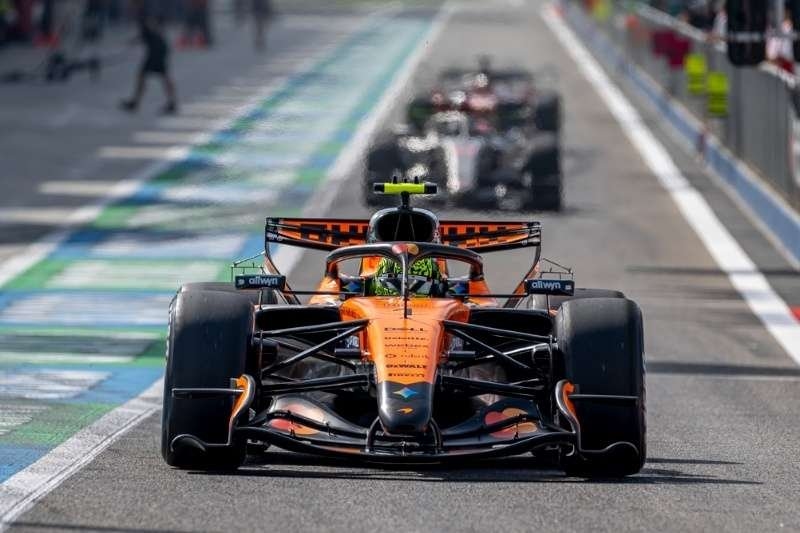
Aerodynamics is crucial to Formula One performance. It is about how air moves over and around the Formula One car. The main goal of aerodynamics is to reduce drag while increasing downforce. Downforce is what pushes the Formula One car onto the track. This helps the car stick to the track. It can go faster around corners.
The front and rear wings, along with other parts like diffusers and bargeboards, are all designed to control airflow. Even small changes can make a difference in how the car performs. Formula One teams spend a lot of money on testing, in wind tunnels, and through computer simulations to improve their aerodynamic designs. All this work helps the Formula One cars go as fast and smoothly as possible. Aerodynamics helps cars achieve efficiency and stability at high speeds.
Race Car Engineering: Precision and Performance
Racecar engineering in Formula 1 is not about speed; it's about getting the perfect balance between power, control, and reliability right. Engineers analyze data during races, checking how the tires are performing, how much fuel is being used, and what's happening with the engine. This data-driven approach helps teams decide what to do next.
The suspension systems in these cars are adjusted to handle different types of tracks, ensuring the car grips the road well and the driver is comfortable. The braking systems are super advanced too, able to stop the car even when it's going really fast. Every single part of the car is carefully engineered to perform at its best during the race.
The engineers focus on Formula 1 car details to ensure power, control, and reliability work together. They also ensure the Formula 1 cars have suspension and braking systems.
Formula 1 Innovations That Changed the Sport
Formula 1 has changed many things over the years. It is not about racing; it is also about how it affects the cars we drive every day. Things like hybrid engines and energy recovery systems have been used in cars. This is because Formula 1 teams are always coming up with ideas.
They have also made cars safer with devices like the Halo. This has really helped keep drivers safe. Formula 1 teams are always looking for ways to improve their cars. They try out materials and new designs all the time. This is what makes Formula 1 so important for advancing technology. Formula 1 is really good at making things, and this is why it is so popular.
Know More: F1 2026 Rules Explained: New Tech, Aero, and Overtakes
How Does Technology Enhance Driver Performance?
The car is really important. Technology also helps the driver perform better. The steering wheel is like a control center; it lets the driver adjust things like how the brakes work, which mode the engine is in, and how energy is used during the race.
The car has systems that give the driver and the team information right away so they can make good choices. The driver and the pit crew talk to each other so they can do what they need to do. The car and the technology work with the driver, which makes racing really exciting because everything has to be just right.
The Future of Formula 1 Car Technology
Formula 1 is constantly changing. They want to make it better for the earth and use energy. Future plans for Formula 1 are to make it do harm to the environment while still going very fast.
There are rules that say Formula 1 teams have to use fuels that are better for the earth and come up with new ways to use energy.
Formula 1 teams are also working to improve the cars' aerodynamic performance and to use materials that make them safer and faster. As new technologies emerge, Formula 1 will remain a leader in innovation, helping shape the future of cars worldwide.
Conclusion
The world of Formula 1 car technology is really cool because it combines science, engineering, and new ideas. Formula 1 cars have hybrid engines and really smart aerodynamics. Every single part of the car is made to make it go as fast as possible.
When you learn about how Formula 1 cars work, you see how much work goes into each race. Formula 1 is always coming up with innovations that have never been seen before. This sport is always trying to adopt better technology, which sets new standards for the people who make cars.
Don't Miss: Formula 1 Expected To Bring In Over $1 Billion To Las Vegas
FAQs
How Fast Can a Formula 1 Car Go?
Formula 1 cars are really fast; they can go over 350 kilometers per hour. This depends on the track they're on. The speed of Formula 1 cars when they are going in a line is different every time, but what makes Formula 1 cars really special is how fast they can speed up and turn corners. Formula 1 cars are amazing racers thanks to their acceleration and cornering capabilities.
Why are F1 Cars so Aerodynamic?
Aerodynamics is really important for F1 cars. It helps them go faster and stay stable. When F1 cars have drag and more downforce, they can go very fast and still stay on the track. This is especially helpful when they are making turns or racing in tough situations. Aerodynamics makes a difference for F1 cars. It helps them maintain speeds and stay safe on the track.
Are Formula 1 Technologies Used in Regular Cars?
Yes, lots of things from Formula 1 have helped make regular cars better. Things like hybrid systems and energy recovery tech have made a difference. They help cars use fuel and be more eco-friendly. Safety features from Formula 1 have also made cars safer for people to drive every day. These innovations from Formula 1 have really changed the way cars are made and used. They have made modern road vehicles more efficient and safer.
This content was created by AI