Red Bull F1 Faces Fourth Fastest Doubt for the 2026 Season

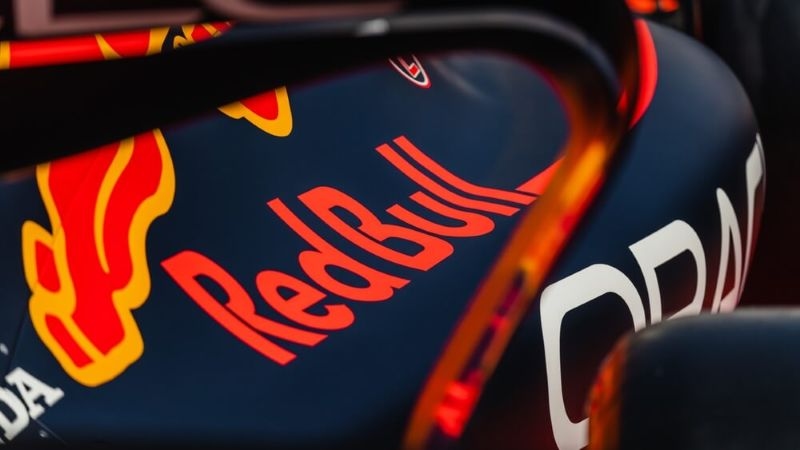
Red Bull F1 begins the Formula 1 2026 season with mixed messages. The team displays strong Red Bull performance in testing, but doubts exist regarding genuine race pace. Significant changes in the F1 engine regulations and the introduction of the F1 power unit 2026 design revamp the world of competition. This new development introduces a new battle for the quickest F1 team 2026, and initial indications are that Red Bull F1 is under unexpected pressure.
The world of F1 enters a new technical era, and the focus is on power unit development. All teams have had to adjust, and minute variations determine large outcomes.
Red Bull F1 And The Challenge Of New Power Unit Rules
The new regulations for F1 engines represent the greatest reset in years. The relationship between electric power and fuel consumption defines the approach to developing a car.
Red Bull Racing enters this new era with its first completely independent engine program. This is a very important milestone because success in engine development determines success in the long term.
Why The F1 Power Unit 2026 Matters So Much
The F1 power unit 2026 includes key updates that affect speed and reliability.
Important changes include
- Higher electrical energy output
- Reduced fuel flow limits
- Greater focus on efficiency
- Simplified engine components
These changes make engine design harder. Teams must balance power and durability, and mistakes cost time on track.
Red Bull F1 built its new system through its own engine division. That decision gives freedom but also risk.
Don’t Miss Out: Red Bull Oracle Racing Extends Sergio Perez’s Deal to 2026
Red Bull Performance Shows Promise But Raises Questions
Red Bull's performance appears strong on paper. The car shows smooth handling, and acceleration remains competitive. Still, overall speed compared to rivals feels slightly behind.
Observers notice certain trends
- Good corner exit speed
- Stable braking performance
- Slight deficit on long straights
- Competitive lap consistency
These signs suggest the car works well, yet absolute speed may not be the key to leading the field.
What this really means is simple. A car can feel good without being the fastest.
Why Red Bull F1 Still Feels Fourth Fastest Team
Even with impressive engineering work, Red Bull F1 believes rivals currently hold small advantages.
Possible reasons include
- Engine energy deployment differences
- Aerodynamic efficiency gaps
- Cooling system compromises
- Early-stage engine learning curve
The fastest F1 team 2026 may come from small gains, not massive changes. Tiny advantages add up quickly.
Formula 1 2026 Season Creates New Competitive Order
The Formula 1 2026 season resets the grid. Teams that struggled before now get fresh chances.
Formula 1 often changes competitive order when regulations shift. History shows this pattern clearly.
New engine rules remove previous advantages. Teams must build speed again from the ground up.
Key Factors That Shape the Fastest F1 Team 2026 Battle
Several performance areas decide the fastest F1 team 2026.
These include
- Power unit efficiency
- Aerodynamic balance
- Tire management
- Reliability consistency
No team can ignore any area. Weakness in one part affects overall results.
Red Bull F1 works hard to improve each element, but rivals improve quickly as well.
Red Bull Power Unit Development And Long-Term Vision
The F1 power unit 2026 project represents more than one season. It shapes future success.
Red Bull Powertrains leads this development effort. Building engines independently gives control over performance direction.
This step brings benefits
- Full design freedom
- Faster development decisions
- Better integration with the chassis
Yet building engines also brings pressure. Mistakes cost years of progress.
How F1 Engine Regulations Increase Technical Complexity
The new F1 engine regulations introduce advanced electrical systems. Managing battery energy becomes critical.
Challenges include
- Battery cooling
- Energy recovery balance
- Software control systems
These are the domains that determine actual performance, not just engine power.
Red Bull F1 is continually improving these areas to achieve incremental progress.
Red Bull Performance Compared With Key Rivals
Red Bull Performance Compared With Key Rivals
The level of competition is increasing. Many teams demonstrate excellent performance with the new regulations.
The rival teams are working on
- Lightweight designs
- Efficient energy use
- Low drag aerodynamics
These developments lead to intense competition.
Red Bull performance is still competitive but not dominant.
Driver Confidence Still Remains Strong
Driver trust plays a major role in performance.
Max Verstappen keeps providing good feedback. Feedback from the driver assists the engineers in working on balance and handling.
Trust in the car develops over a period of time. Trust in the car assists in unlocking speed.
Reliability Plays Critical Role In Formula 1 2026 Season
Reliability becomes more crucial with the new rules. The systems are complex, which makes them prone to failure.
Red Bull F1 focuses on
- Engine durability testing
- Cooling system stability
- Electrical reliability
Finishing races matters as much as speed.
A slightly slower car that finishes every race often beats faster, unreliable cars.
We’ve Covered This in Detail Here: F1 Livery Guide: 2026 Designs, Rankings, and Team Looks
Why Early Red Bull Performance Still Matters
Even if Red Bull F1 is fourth fastest, there is still a strong foundation in early performance.
On the positive side, there are
- A stable car
- A strong engineering direction
- A competitive package
Development is ongoing throughout the season.
Small gains can quickly shift the ranking.
How Development Race Shapes Final Results
Formula 1 never stands still. Teams bring upgrades constantly.
Development includes
- Aerodynamic updates
- Engine software improvements
- Weight reduction
These changes improve lap times gradually.
Red Bull F1 focuses on steady progress rather than instant gains.
Future Outlook For Red Bull F1 And Engine Program
The future still looks promising. Early setbacks often become later strengths.
Engine development improves over time. Teams learn from data and fix weaknesses.
Red Bull F1 plans include
- Increasing power efficiency
- Improving energy deployment
- Enhancing cooling systems
These steps support long-term success.
The Formula 1 2026 season becomes a learning phase as much as competition.
Why The Fastest F1 Team 2026 Race Remains Uncertain
Predicting the fastest F1 team 2026 remains difficult. Regulation changes create unpredictable outcomes.
Small differences decide winners.
Red Bull F1 remains close enough to fight for victories.
Progress happens step by step, not overnight.
Role Of Engine Partners And Technology Evolution
Engine building requires advanced engineering knowledge.
Honda previously supported Red Bull engine development. That experience helped build current expertise.
Knowledge transfer improves future performance.
This foundation supports ongoing growth.
Lessons From Past Regulation Changes
Formula 1 history shows clear patterns.
Teams often need time to reach peak performance after regulation resets.
Early leaders sometimes lose an advantage later.
Red Bull F1 understands this cycle well.
Patience remains key.
How Fans And Experts View Red Bull F1 Position
Fans see strong potential in Red Bull's performance. Experts recognize engine progress but also note current gaps.
Opinions vary, but confidence remains.
The team stays competitive.
Future updates may shift the balance.
Explore More Tips: Unveiling the Role of F1 Stewards: A Behind-the-Scenes Look
Conclusion
Red Bull F1 enters a new engine era with promise and pressure. Strong Red Bull performance shows progress, but rivals remain slightly ahead. The F1 power unit 2026 journey continues, and steady development may soon change rankings. The 2026 Formula 1 season still offers many opportunities for Red Bull F1 success.
FAQs
Why Does Red Bull F1 Believe It Is Fourth Fastest?
Red Bull F1 sees small performance gaps compared with rivals in engine efficiency and straight-line speed. The team remains competitive but is not clearly leading yet.
What Makes The F1 Power Unit 2026 Different?
The F1 power unit 2026 increases electrical power and efficiency while reducing fuel usage. These changes make engine design more complex and important.
Can Red Bull F1 Become the Fastest F1 Team 2026?
Yes, development continues throughout the season. Improvements in engine performance and aerodynamics may help Red Bull F1 reach the top.
How Important Are New F1 Engine Regulations?
F1 engine regulations shape performance balance. Teams that adapt quickly gain a competitive advantage and better race results.
This content was created by AI