2 Stop Strategy in F1 Explained With Real Race Examples

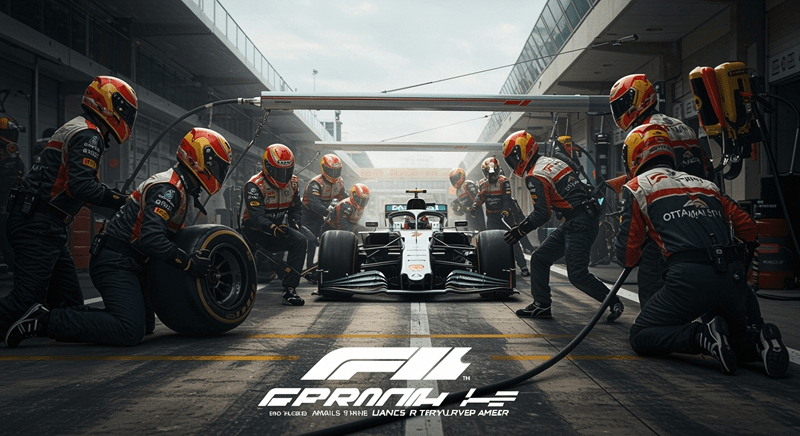
If Formula 1 races were only about who had the fastest car, strategy would not matter much. But that is not how races play out. Tire wear, pit timing, traffic, and track position often decide the outcome long before the checkered flag. One strategy that keeps coming up in these decisions is the 2 stop strategy in F1.
It is not something teams pick lightly. It adds risk, it costs time, and if it goes wrong, it usually goes very wrong. But when the conditions suit it, a two-stop race can be quicker than playing it safe. This is why teams still consider it even when one-stop races seem easier.
This article explains what is the 2 stop strategy in F1, how it works in real race conditions, when to use a 2 stop strategy, and why it still matters today.
How Race Strategy Actually Works in Formula 1
In Formula 1, teams must use at least two different dry tire compounds during a race. These compounds are designed with clear compromises.
Soft tires grip well but wear out quickly.
Medium tires sit in the middle.
Hard tires last longer but are slower.
Every strategy choice is about deciding how long a driver can run each tire without losing too much pace. Some races allow tires to last longer than expected. Others punish tire abuse immediately. The 2 stop strategy in F1 is used when stretching tires costs more time than stopping again.
Discover More: How Heat Challenges Drivers in Singapore Grand Prix?
What Is the 2 Stop Strategy in F1
What is the 2 stop strategy in F1?
It is a race plan where a driver makes two scheduled pit stops and runs the race in three separate stints.
Instead of trying to make one set of tires survive a long run, the driver pits more often and uses fresher tires. This usually improves lap time but adds another visit to the pit lane.
A typical setup looks like this:
- Start on medium tires
- Pit for hard tires
- Pit again for soft or medium tires
The compounds can change depending on conditions, but the structure stays the same. Three stints. Two stops. More laps on fresher rubber.
Why Teams Even Consider a Two Stop Strategy
A pit stop costs roughly 20 seconds. That is a lot of time to give away. For a 2 stop strategy in F1 to make sense, the driver must gain that time back through pace.
This strategy is not about comfort or safety. It is about math. If fresher tires allow a driver to lap consistently faster than rivals on worn tires, the numbers can work out. If that pace advantage disappears, the strategy collapses.
That is why teams only commit when degradation or compound performance supports the idea.
How Does a 2 Stop Strategy Work During a Race
To understand how does a 2 stop strategy work, it helps to break the race into parts.
First Stint
Drivers planning a f1 2 stop strategy usually push harder early on. They are not trying to save tires for half the race. The goal is to stay close to the cars ahead without overheating the tires.
They avoid unnecessary wheel-to-wheel fights because sliding the tires early hurts the entire plan.
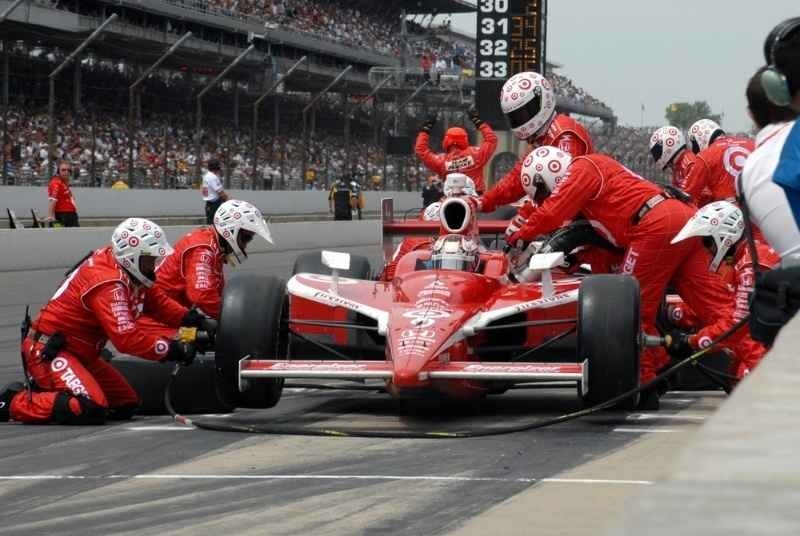
First Pit Stop
The first stop happens earlier than it would in a one-stop race. Teams often use this stop to:
- Undercut slower cars ahead
- Get out of dirty air
- Avoid a sudden drop in tire grip
This moment often decides whether the strategy remains realistic.
Middle Stint
The second stint is where many two-stop plans fail. Drivers still need to push, but overdriving the car kills tire life. Lap times do not need to be spectacular here. They need to be steady.
If the driver can hold consistent pace, the 2 stop strategy in F1 stays alive.
Second Pit Stop and Final Stint
The second stop sets up the final part of the race. With fresher tires, drivers can attack cars that are trying to manage worn rubber. This is usually where positions are gained.
Late-race pace is the main reason teams commit to this approach.
Also check: F1 Rules Explained: New Tech, Aero, and Overtakes
When to Use a 2 Stop Strategy
Knowing when to use a 2 stop strategy is more important than knowing how it works.
Tracks That Are Hard on Tires
Some circuits punish tires due to long corners, rough surfaces, or high temperatures. On these tracks, one-stop strategies often become too slow late in the race.
Clear Performance Gap Between Compounds
If soft tires are much faster than hard tires, it makes sense to run more laps on the faster compound. In these cases, the f1 2 stop strategy can be quicker overall.
Circuits Where Overtaking Is Possible
Two-stop strategies depend on passing cars after pit stops. If overtaking is difficult, fresh tires lose their advantage.
Races With Safety Car Risk
Tracks with frequent incidents increase the appeal of two stops. A safety car can reduce or remove the time loss of an extra pit stop.
Advantages of the 2 Stop Strategy in F1
Teams still consider this option for several reasons.
- Higher average lap pace
- More flexibility if the race changes
- Less need for heavy tire saving
- Stronger pace toward the end of the race
For drivers who are confident in traffic, the 2 stop strategy in F1 often suits their driving style better.
Risks Teams Accept With Two Stops
The risks are real.
- Extra pit stop time must be recovered on track
- Rejoining behind slower cars can kill momentum
- Pit lane mistakes are more damaging
- Changing plans mid-race becomes difficult
This is why teams rely heavily on simulations before committing.
2 Stop Strategy vs One Stop Strategy
The decision usually comes down to risk tolerance.
One-stop strategies focus on track position and tire control.
Two-stop strategies focus on pace and flexibility.
One-stop races are safer.
Two-stop races offer more upside.
Neither approach is automatically right or wrong. The track and tires decide.
You may like: Experience the Excitement of the Japanese Grand Prix
Is the 2 Stop Strategy Still Relevant in Modern F1
Yes. Even with more durable tires in recent seasons, the 2 stop strategy in F1 still has a place. The competitive situation returns to its original state when degradation rises and overtaking becomes simpler. The 2 stop race strategy exists in Formula 1 racing because it explains why drivers perform better during the final stages of races and why teams select dangerous methods instead of safe approaches.
FAQs
What is the 2 stop strategy in F1?
It is a race strategy where a driver makes two pit stops and runs three tire stints to maintain better pace across the race.
When to use a 2 stop strategy in Formula 1?
Teams use it on tracks with high tire wear, clear compound performance gaps, or strong overtaking opportunities.
How does a 2 stop strategy work compared to one stop?
A two-stop strategy gives up pit time for faster laps on fresher tires, while a one-stop strategy focuses on tire preservation and track position.
This content was created by AI