F1 2026 Regulations And Active Aero Strategy Shift

The arrival of F1 2026 regulations signals one of the boldest resets seen in modern Formula 1. The focus moves toward smarter energy use, lighter F1 2026 cars, and a fresh approach to F1 active aerodynamics. At the same time, Formula 1 rule changes 2026 reshape F1 overtaking rules and influence every layer of F1 race strategy. The question often asked by fans is what changes are really on track. This sits in the mix of new chassis concepts, revised power units, and active aerodynamic systems that have been developed to enhance the quality of racing, ensuring safety and control of costs. This guide breaks down how F1 2026 regulations affect overtakes, team tactics, and the overall spectacle.
Overview Of The F1 2026 Regulations Framework
The F1 2026 regulations were introduced, and the parameters of the regulation were aimed at balancing performance, sustainability, and speed, with the governing bodies trying to eliminate the turbulent nature of the car that made overtaking difficult, yet making the car fast enough to give the crowd the speed they want to see.
Key Goals Of The Formula 1 Rule Changes 2026
- Increase the electric power contribution within the hybrid system
- Reduce total car weight compared to previous generations
- Introduce refined F1 active aerodynamics for adjustable drag levels
- Tighten cost controls for long-term stability
The Formula 1 rule changes 2026 are not isolated tweaks. They connect engine, chassis, and aerodynamic philosophy into a single vision. The result shapes how F1 2026 cars behave in traffic and under braking.
Read the Full Guide: F1 2026 Tech Regulations Transform Formula 1 Technology
How F1 Active Aerodynamics Work In 2026
F1 active aerodynamics play a central role under F1 2026 regulations. Instead of relying only on fixed wings and passive airflow, cars now feature adjustable bodywork that can switch between high downforce and low drag modes.
Two Primary Aero Modes
Under the new framework, F1 2026 cars operate with:
- A high downforce mode for corners
- A low drag mode on straights
This system replaces older drag reduction concepts with a broader aerodynamic strategy. F1 active aerodynamics adjust not only the rear wing but also certain front elements, depending on regulatory allowances.
The benefit becomes clear in battles. When a driver approaches another car, F1 overtaking rules allow the chasing driver to activate reduced drag settings within defined zones. That small change may add just enough speed for a clean pass.
Design Changes In F1 2026 Cars
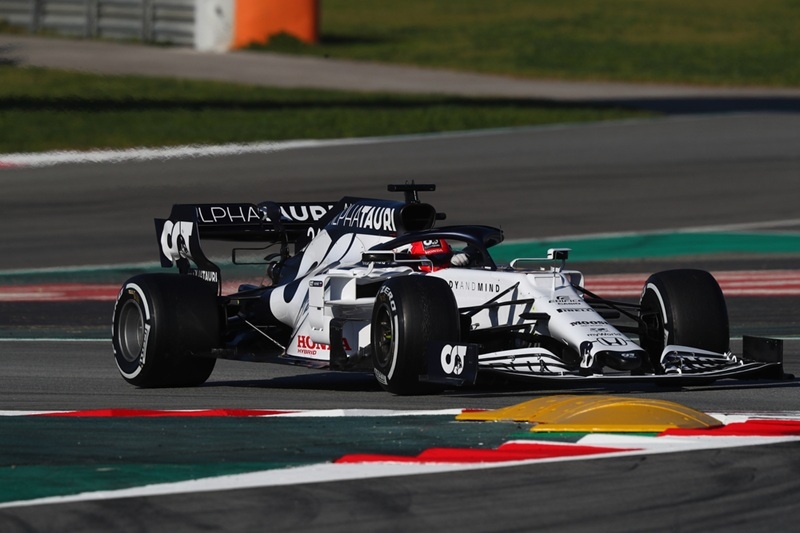
F1 2026 cars are visibly different. They are narrower and lighter, aiming to improve agility. Reduced weight improves braking distances and corner entry stability, which plays directly into F1 race strategy planning.
Structural And Power Unit Adjustments
The updated hybrid power unit increases electric output. Internal combustion components rely on more sustainable fuels. These Formula 1 rule changes 2026 encourage manufacturers to innovate without sacrificing competition.
Key features include:
- Higher electrical deployment during acceleration
- Revised energy recovery systems
- Standardized components to manage costs
Such mechanical shifts influence F1 race strategy because energy deployment now becomes a tactical weapon. Teams must decide when to harvest energy and when to release it.
Impact On F1 Overtaking Rules And On Track Battles
F1 overtaking rules evolve under F1 2026 regulations to support closer racing. Aerodynamic wake has been reduced through reshaped floor designs and simplified surfaces.
When combined with F1 active aerodynamics, overtakes become less predictable. Drivers can no longer rely solely on slipstream strength. Instead, timing and positioning matter even more.
Cleaner Air And Driver Confidence
Cleaner airflow means:
- Better front tire stability when following closely
- Less overheating during long battles
- More consistent braking performance
These adjustments allow F1 2026 cars to stay within one second of each other for longer periods. That proximity transforms F1 race strategy, as track position becomes slightly less dominant than before.
Worth a Look: F1 2026 Rules Explained: New Tech, Aero, and Overtakes
What This Really Means For F1 Race Strategy
F1 race strategy under F1 2026 regulations demands deeper planning. Energy deployment and aerodynamic mode selection must align with tire life and fuel targets.
Strategic Variables Teams Must Balance
- When to activate low drag settings
- How much battery energy is needed to store for late race defense
- Tire compound choice under revised loads
Because F1 active aerodynamics influence straight-line speed, teams can defend differently. A driver may conserve energy for the final laps, switching to aggressive deployment only when attacked.
The Formula 1 rule changes 2026 also alter pit stop timing logic. With lighter F1 2026 cars placing slightly different stress on tires, stint lengths may vary compared to previous eras.
Safety And Sustainability Under The F1 2026 Regulations
F1 2026 regulations are not only about speed. Safety standards remain strict. Chassis structures continue to meet high impact requirements, while fuel standards move toward greater sustainability.
The share of electric power increases, and emissions intensity per race distance decreases. In this way, there is consistency with environmental regulations formulated by Formula 1 leadership.
F1 active aerodynamic modes are also strictly controlled to govern sudden shifts in balances that may prove unsafe. The modes have to change smoothly for safety.
Technical Balance Between Teams
Another objective of the Formula 1 rule changes 2026 is to reduce the gap in performance. Regulators are trying to achieve this by controlling some design freedoms and opening up other areas to innovation.
F1 cars used in the year 2026 possess the same safety and structural fundamentals. Nevertheless, a variety of engineering approaches in aerodynamic surface and cooling configurations are maintaining the spirit of engineering creativity alive.
Expenditure remains capped, however. This financial control ensures that F1 race strategies and driving talent are just as important as money invested.
How Drivers Must Adapt
Drivers will adapt their style to match F1 active aerodynamics behavior. Braking points may shift slightly due to lighter F1 2026 cars. Corner entry feels sharper, yet mistakes can punish more quickly.
Managing battery output becomes a mental exercise. Under F1 2026 regulations, pushing flat out every lap may not be possible. Instead, drivers must choose moments carefully.
F1 overtaking rules reward precision. Activating the right mode too early could leave a driver exposed later. Timing, therefore, grows in importance.
Long-Term Influence on the Sport
F1 2026 regulations may shape future technical eras, and the success of the active aerodynamics concept currently used by F1 could help expand it further.
Such a balance between electrified and combustion power supplies may also act as a test bed for road car relevance. In fact, the Formula 1 rule changes 2026 have an impact beyond race tracks.
For the fans, the first thing they would notice is how the F1 cars of 2026 compete with each other in wheel-to-wheel racing. If they are able to overtake each other without compromising safety, then their confidence in the regulatory reforms introduced would be boosted.
Learn More Here: Changes Expected In The 2026 Formula 1 Engine Regulations
Conclusion
F1 2026 regulations reimagine how F1 cars will look and function, moving and racing while battling on the track. F1 Active Aerodynamics, lighter F1 2026 cars, and F1 overtaking rules make F1 strategy more complex. The Formula One rule changes 2026 are emphasizing intelligent and effective use of energy and closer racing.
FAQs
What Are F1 2026 Regulations Designed To Achieve?
F1 2026 regulations aim to create closer racing, lighter cars, higher electric power use, and better sustainability while keeping safety standards high.
How Do F1 Active Aerodynamics Improve Overtaking?
F1 active aerodynamics allow drivers to switch between downforce and low drag modes, which can increase straight-line speed in designated zones under updated F1 overtaking rules.
Will F1 2026 Cars Be Slower?
F1 2026 cars may show different lap time characteristics due to weight and power adjustments, but performance remains competitive and optimized for racing quality.
How Do Formula 1 Rule Changes 2026 Affect Race Strategy?
The Formula 1 rule changes 2026 reshape F1 race strategy by adding energy management decisions, revised aerodynamic settings, and adjusted tire planning into each race plan.
This content was created by AI