Five Famous Japanese Grand Prix Battles in F1 History

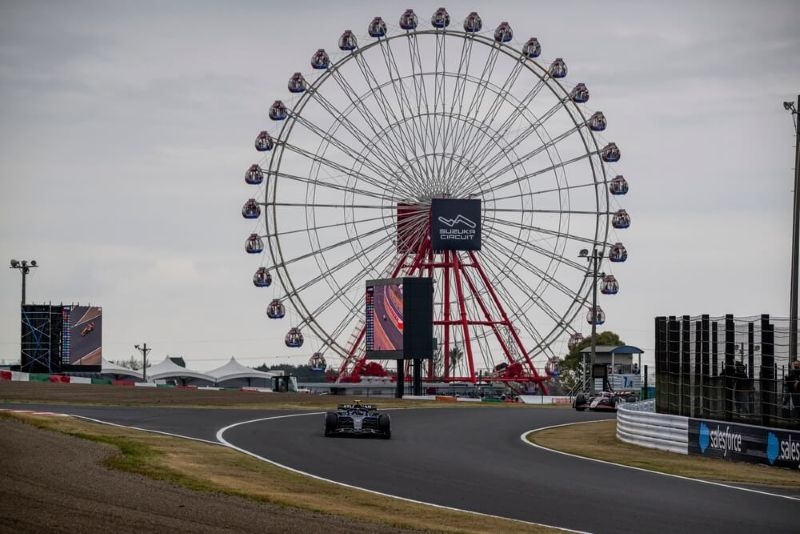
The Suzuka International Racing Course is a legendary track that has hosted some of the most intense Japanese Grand Prix Battles in the History of motorsport. For decades, this figure-eight circuit has tested the skill and bravery of the world's best drivers. Whether it is the final race of the season or a crucial mid-year showdown, the F1 Japanese Grand Prix history is filled with high-stakes drama. Fans always look forward to the Formula 1 Japan race highlights because the track's unique layout often leads to unexpected overtakes and strategic masterclasses.
The Intense Rivalry Between Ayrton Senna and Alain Prost
The late eighties and early nineties saw a massive clash between two of the greatest drivers to ever sit in a cockpit. Their 1989 encounter remains one of the most talked-about Suzuka Grand Prix moments because it decided the world championship amid controversy.
- Collision at the final chicane
- Disqualification of Ayrton Senna
- Alain Prost won the title
- Sparking one of the best F1 rivalries Japan has seen
The tension between these two teammates, who had become rivals, was so high that it changed how fans viewed the sport. This specific race is often cited as the peak of their professional animosity on the track.
Start your journey: Las Vegas Prix: Exciting Partnership For Home Run Derby
Michael Schumacher and Mika Hakkinen in the late Nineties
During the late 1990s, the battle for supremacy was between Ferrari and McLaren. This era produced some of the most iconic F1 races Suzuka has hosted, specifically the 1998 and 2000 season finales.
- Mika Hakkinen won his first title
- Michael Schumacher stalling on the grid
- High-speed chases through the 130R corner
- Ferrari ending a long title drought
These Japanese Grand Prix Battles were defined by pure pace and mechanical reliability. The 2000 race was a turning point for Ferrari, marking the beginning of their dominant era in the early 2000s.
Fernando Alonso Overtakes Michael Schumacher at the 130R
In 2005, a young Fernando Alonso proved he was the new king of Formula 1 by performing a daring move on Michael Schumacher. This moment is a staple in any collection of Formula 1 Japan race highlights.
- Overtaking on the outside of 130R
- Speeds exceeding 200 miles per hour
- Passing a seven-time world champion
- Demonstrating the bravery of modern drivers
While the championship was already decided, this pass showed the world that the guard was changing. It remains a highlight because of the extreme risk involved in such a high-speed maneuver.
Kimi Raikkonen Climbing From Seventeenth to First
The 2005 edition of the race is widely considered one of the iconic F1 races Suzuka has ever hosted for fans. Kimi Raikkonen started near the back of the grid and fought his way to the very front.
- Starting from P17 on the grid
- Last-lap overtake on Giancarlo Fisichella
- Perfect tire management and strategy
- One of the greatest individual drives
This victory proved that overtaking is possible at Suzuka if a driver has enough speed and determination. It is frequently listed among the greatest Japanese Grand Prix Battles due to the sheer number of positions gained.
Sebastian Vettel and Jenson Button are fighting for the Crown.
In 2011, the focus was on Sebastian Vettel as he looked to secure his second consecutive world title. The race featured tight strategy calls and wheel-to-wheel action between Red Bull and McLaren.
- Jenson Button winning the actual race
- Sebastian Vettel secured the championship
- Tight battles through the S-Curves
- Showcasing the F1 Japanese Grand Prix history of title deciders
Even though Vettel did not win the race, the battle for the podium was intense until the very last lap. It highlighted the technical nature of the track and how small mistakes can cost a lot of time.
Get insights on: Sao Paulo Grand Prix Event Guide and Major Highlights
Why Suzuka remains a Favorite for Drivers
The Suzuka track is special because it is the only circuit in the world with a crossover design. This creates a unique flow that allows for various best F1 rivalries in Japan to develop over the course of a single weekend.
- Testing high-speed aerodynamic stability
- Demanding physical strength from drivers
- Offering multiple lines through Degner corners
- Hosting some of the most memorable Suzuka Grand Prix moments
Drivers often rank this track as their favorite because it rewards precision and punishes errors heavily. The fans in Japan also add to the atmosphere with their incredible passion and creative hats.
Technical Challenges of the Japanese Circuit
To understand these Japanese Grand Prix Battles, one must examine the car's technical requirements. The balance between downforce and straight-line speed is harder to find here than at most other venues.
- Maximizing grip in the Esses
- Ensuring engine cooling in humid weather
- Managing tire wear on abrasive tarmac
- Adjusting wings for the long back straight
Teams often bring special updates to this race to gain an advantage. Because it is a high-speed track, the aerodynamic efficiency of the car plays a huge role in who comes out on top on Sunday.
The Role of Weather in Historic Races
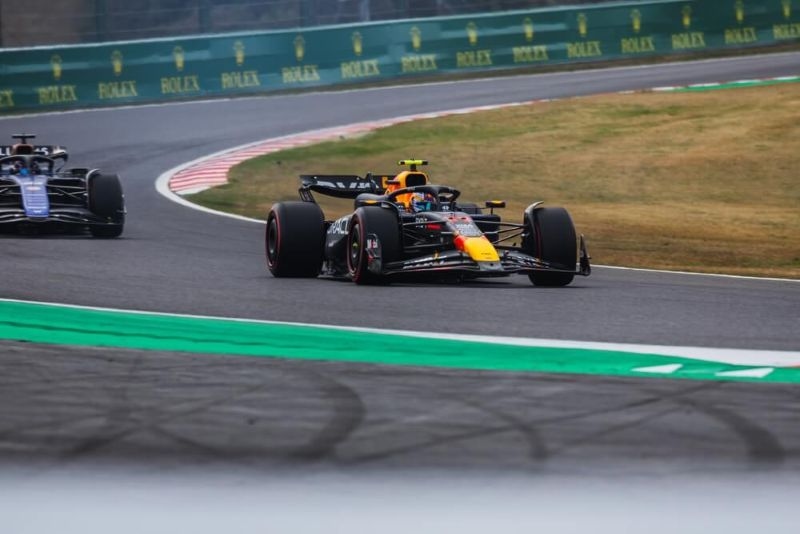
Rain is a frequent visitor to Mie Prefecture, and it has played a major role in the history of the F1 Japanese Grand Prix. Wet races often level the playing field for smaller teams.
- Torrential rain stopped the race
- Drivers switching between intermediate and wet tires
- Low visibility is causing dangerous restarts
- Memorable wins in changing conditions
Sudden downpours can turn a boring race into a classic in a matter of minutes. The ability to read the clouds is just as important as the ability to drive the car.
Looking Back at the Golden Era of Racing
Many enthusiasts believe the 1990s were the best time for the sport. During this period, the iconic F1 races held at Suzuka were often the highlight of the global sporting calendar.
- The sound of V10 and V12 engines
- Manual gearboxes and raw power
- Legendary names like Prost and Mansell
- Intense Japanese Grand Prix Battles for every point
The History of this race is intertwined with the evolution of the cars themselves. As technology advanced, the battles became more about data and less about raw instinct, yet the excitement remained the same.
Future Prospects for the Japanese Event
As the sport grows, the importance of historic venues like Suzuka remains high. Fans hope to see even more Formula 1 Japan race highlights as new regulations allow cars to follow each other more closely.
- Lighter cars for better agility
- Increased overtaking opportunities at Turn 1
- Sustainable fuels for a greener future
- Continuing the legacy of Suzuka Grand Prix moments
Racing in Japan is a cornerstone of the championship. It provides a bridge between the classic era of racing and the modern, high-tech world.
Uncover: How Heat Challenges Drivers in Singapore Grand Prix?
Conclusion
The Japanese Grand Prix Battles have given the fans a never-ending source of entertainment. From championship deciders to dramatic overtaking moves, the history of the F1 Japanese Grand Prix is unparalleled. Suzuka is a circuit where legends are made, and rivalries are settled once and for all. Check out the official highlights to get a glimpse of the action!
FAQs
What Makes Suzuka Unique In The F1 Calendar?
Suzuka is the only Formula 1 figure-eight circuit, which means it tests drivers with both clockwise and counterclockwise turns. This layout puts equal stress on both sides of the tires and the driver's neck. It is famous for its high-speed corners, such as 130R, and the technical S-Curves section.
Which Driver Has Won The Most Races At Suzuka?
Michael Schumacher holds the record for the most victories at the Japanese Grand Prix with six wins in total. Most of these victories came during his dominant years with Ferrari. His ability to master the technical sections of the track made him nearly unbeatable during the peak of his career.
Has The Japanese Grand Prix Ever Been Canceled?
The race has been canceled or rescheduled due to extreme weather, such as typhoons. For example, qualifying has been moved to Sunday morning on multiple occasions to ensure safety. In recent years, global events have also led to the race being removed from the calendar for a brief period.
Why Is The 130R Corner So Famous Among Drivers?
The 130R is a massive left-hand turn taken at nearly full throttle, making it one of the most challenging corners in the world. It requires immense bravery and a well-balanced car to navigate successfully. Any mistake at this speed usually results in a very large accident, which adds to its legend.
This content was created by AI