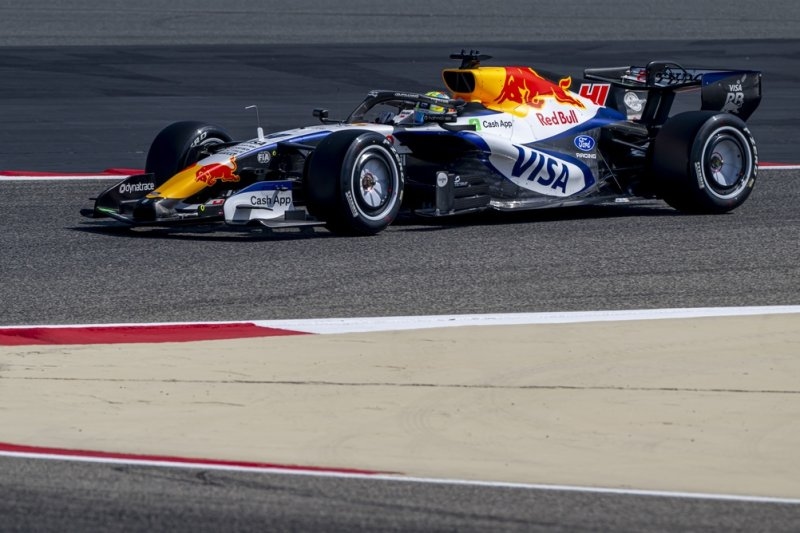
A Beginner's Guide To Formula 1: Discover The Excitement


Key Takeaways
- F1 is the combination of speed, strategy, and technology: The Formula 1 race combines high-end engineering, fast hybrid power trains, aerodynamics, tyres, and race strategy into one of the toughest sports on Earth.
- The F1 race is organised into different stages: Practice is aimed at preparing the car for the following race: Qualifying determines the starting position, whereas the Grand Prix makes participants compete in overtaking, pit stops, tyres, and race strategy.
- Consistency is the way to win the championship: Points are earned by drivers and teams during the whole season with an attempt to win the World Drivers' and Constructors' Championships.
- Ten teams, each with two drivers, compete throughout the season to accumulate points for both the World Drivers' and World Constructors' Championships.
- Choosing between soft compounds for maximum grip and speed versus harder compounds for durability is a central element of race strategy.
Formula One (F1) represents the highest level of competition in the world of motorsport and is characterised by high-tech machines and sheer speed. F1 racing has been thrilling viewers all around the world for more than seventy years thanks to the combination of fast racing, clever tactics, and lavish living.
If you are new to F1 racing or just an occasional spectator wanting to learn more, this guide will give you an insight into the basics of Formula 1.
Understanding the Formula 1 Basics
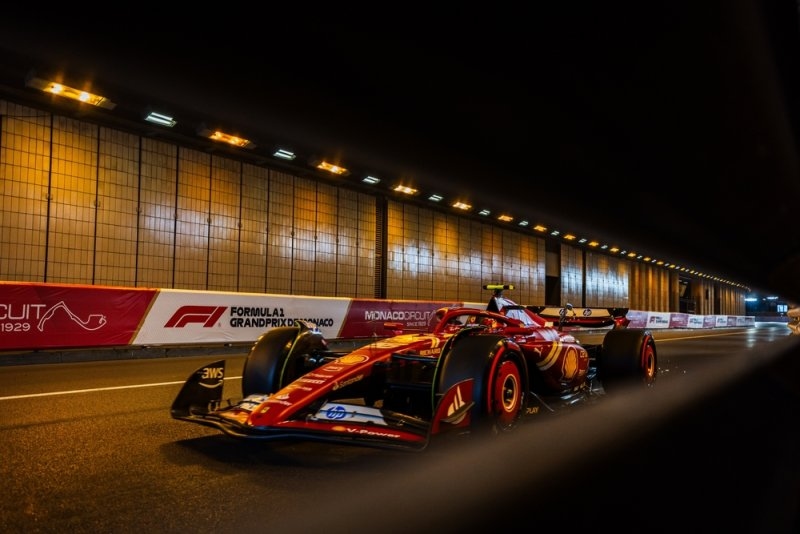
There are ten teams who are competing for the championship. There are two drivers per team. It begins with the practice stage, during which the drivers drive on the track to get acquainted with the track, adjust their cars, and gather important data that will make them perform better.
This is a very important warm-up stage before the qualification race, which is a race against time, and here the drivers will really do everything they can with their car. According to the qualification race results, drivers get the start positions for the race, with the fastest one getting pole position.
The Race Weekend
F1 races typically last two hours, although there could be an accident or any form of danger on the track, resulting in a red flag. They drive on different circuits during the season, ranging from famous circuits such as the one at Monza in Italy to relatively new circuits like the one at Yas Marina, Abu Dhabi. This year's race includes the return of the China Grand Prix circuit.
The number of laps differs according to the length of the circuit. During a Formula One race, however, the drivers are subjected to certain restrictions for safety purposes. These include being careful while racing and avoiding doing anything that is dangerous, such as weaving across other cars. They should adhere to "track limits", which means that they should not drive outside the track; however, this restriction is widely flouted.
The Various Race Strategies
Probably, the most awesome thing about F1 is race strategy. Pit stops play an extremely crucial role in the race. The drivers come in the pits for tyre replacement and adjustments. In addition, the pit crew works really fast in changing tyres and filling with fuel to make the driver get back on the track as soon as possible.
Five types of tyres are used in F1 racing: three for the dry conditions, known as slicks, and two for wet weather. Tires are composed of different compounds, ranging from soft to hard. Softs can be recognised by red walls, mediums by yellow walls, while hard tyres can be identified by the white walls.
The difference in compounds is very significant for the strategy because hards are long-lasting but slow, tyres are soft and all about the speed but are fast-depreciated, and mediums balance the two.
Pirelli is the official supplier of F1 tyres. Contrary to ordinary car tyres, the lifespan of F1 tyres is extremely short—they last between 60 and 120 kilometres (40 and 80 miles). Since one set of tyres is not enough to drive the whole race, the drivers make pit stops to change the tyres.
Points and Championships
The winning driver receives 25 points, while the top ten drivers receive reduced points. In addition, there are special points awarded for the fastest lap time. In a season, drivers strive to accumulate maximum points in order to become champions in the World Drivers Championship.
F1 racing is a team game; therefore, there is a Constructors Championship. Teams compete with each other according to the results of their drivers.
Power Units and DRS
In Formula 1, everything is aimed at achieving the best from the car. This vehicle is equipped with hybrid power units that include the combination of a turbocharged V6 engine and an electric motor.
Aerodynamics plays an important role, as it allows for designing the shape of these speed machines so that they would have as little air resistance as possible while generating downforce. It concerns such parts of the cars as the bodywork, front and rear wings, side pods, and diffuser.
Finally, it is high time to speak of one of the most interesting and exciting innovations in F1 cars—DRS. DRS, or the Drag Reduction System, is a particular rear wing that is adjustable by the driver in some situations during the race. If the driver follows the leading car by no more than one second and there is a certain point on the racetrack, he can activate DRS and get a speed gain.
But then again, safety is just as crucial. Many amazing drivers and spectators have been lost throughout the years owing to the absence of rules, but today, these cars come with a whole lot of safety equipment. From the halo system that shields the driver’s cockpit and the energy absorbers and fire suppression systems in the event of a crash.
You May Also Like: Breaking Down DRS: A Guide To Formula 1's Overtaking Aid
The Future of Formula 1
The future of F1 is about sustainability, inclusion, and technology. These include:
- Sustainable Racing: The vision of Formula 1 racing is to be carbon neutral by 2030 through the use of hybrid powertrains and sustainable fuels.
- Diversity and Inclusion: D&I initiatives that aim to make a more diverse and inclusive sport.
- Technology: Technologies designed to make F1 the leader in motor racing.
How to Get Started
Those new to F1 have options for getting started in F1. Here are some tips for doing so:
- Watch Races: Observe the Grands Prix on TV. Usually, the races comprise pre-race, race, and post-race analysis sessions.
- Get Updates: Follow what is happening in the world of Formula One through websites, social networking sites, and F1 applications.
- Join F1 Communities: Interact with other fans of the sport in forums, social media groups, and fan clubs.
- Go to a Grand Prix: Participate in an F1 race if possible, i.e., if you can obtain a ticket.
Similar Reads You May Enjoy: Master the Formula 1 Engine Rules with This Insider's Guide
Conclusion
Formula 1 is an exciting blend of speed, strategy, and entertainment. With the history of Formula 1, the use of innovative technology, and universal appeal, Formula 1 will remain an exciting sport for many people in the world for a long time to come. Watching the races on TV or participating in the Grand Prix races, Formula 1 offers ample entertainment value. This is also the future of cars. You're ready for your first race of the season, and soon you'll be an F1 expert.
Check out our articles to surprise your F1 friends with your knowledge. Welcome to the world of Formula 1!
FAQs
1. What is Formula 1, and how is it run?
Formula 1 is the top category of international racing with single-seater racing cars. There are 10 teams, each of which has two drivers, for a total of 20 drivers competing in each race. A race usually consists of three stages: practice, qualification, and the actual Grand Prix race.
2. What role does F1 qualifying play in the Grand Prix race?
Qualification for the Grand Prix race is used to arrange the order in which drivers participate in the race. The fastest driver qualifies for pole position, while others follow depending on their performance in qualification.
3. Why are pit stops and tyre strategy so important in F1?
Teams have an opportunity to perform pit stops and adjust tyres at certain intervals during the race. Tire performance depends on its type, so the decision about which tyres to change and when is crucial for the success of the team.
4. Explain what DRS is in Formula 1?
DRS is an abbreviation for Drag Reduction System. It is a system that lowers the drag by opening one part of the rear wing of a car. In compliance with certain regulations, a driver can activate it while being in the designated zone and being sufficiently close to another car.
5. Explain how championships are determined in Formula 1.
There are two championships in F1—the World Drivers' Championship and the Constructors' Championship. Each driver earns points depending on his finishing position, and each team earns points based on the points earned by both of its drivers. The winner of the season is the driver/team who has gathered the maximum amount of points.
This content was created by AI