Mastering the Undercut: How F1 Teams Gain the Edge in Races


Image Source: Medium
Key Takeaways
- Undercut refers to the situation whereby a driver goes in for an undercut before another driver by using fresh tires in order to move up to an improved track position.
- The overcut is the reverse of the undercut. A driver uses his time to take advantage of the track position, tires, or traffic while other drivers are in the pit lane.
- Neither of the two approaches will always be successful. It all depends on many factors such as the state of the tires, traffic, etc.
The high intensity sport of Formula 1 is characterized by much more than simply having the fastest car and best driver. The strategies implemented during the races will ultimately determine who comes out on top. In each and every single race in the sport of Formula 1, strategies are used to help win the battle of tactics that takes place on the racetrack from tire to fuel management.
The strategy game in Formula 1 is based upon finding the right balance between aggressiveness and conservation. Drivers in the sport must know how to walk the line between using every ounce of energy from their car to get an edge or saving energy for later on in the race. One may choose the risky one-stop strategy or a more conservative approach with several pit stops. Every move made on the circuit will carry strategic meaning.
In this article, we take a look at the different tactics involved in the game of driving in Formula 1.
Exploring the Undercut Strategy
Formula 1's undercut technique entails one driver stopping earlier in the race to gain an edge over other drivers, as the driver takes advantage of having new tires and no traffic on the track. Pitting early compared to other competing drivers in the race enables the driver to use the time to post faster lap times using their newly mounted tires, allowing them to get ahead of their competitors once they make their pit stops.
The success of the undercut technique is based on the idea that the driver with newer tires will be able to post faster lap times and possibly pass other drivers. This technique works under several different circumstances, such as track conditions, the amount of tire wear, and the distance to the leading cars.
Does Undercut Strategy Always Work?
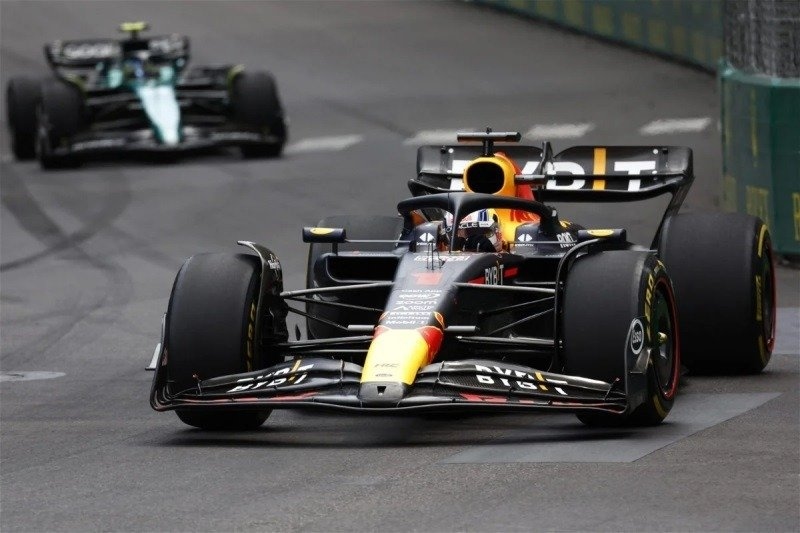
Image Source: Essentially Sports
Though the undercut is very effective when used in certain circumstances, it relies heavily on other elements that could affect its success rate. The following are some factors that could influence how effective an undercut becomes:
Track Position
Where a driver pits to put on fresh tires and rejoins the race behind many slower cars, then the advantage obtained through the undercut will be useless.
Tire Performance
The performance margin between the worn tires and fresh tires may vary depending on factors such as weather and track conditions. Where the margin is insignificant, then the benefits associated with the undercut will be negligible.
Pit Stop
The length of time taken by the driver while stopping in the pit lane will determine whether the advantage will still be significant or not.
Traffic
In case the driver faces any traffic on the track or fails to establish fast and clean laps once he is out of his pit stall following the pit stop, then his chances of gaining position using the undercut maneuver are greatly reduced.
Strategies of Competitors
The strategies followed by the competing drivers are yet another factor that influences the use of the undercut maneuver.
With all these factors considered, team members have to decide very carefully whether to utilize the undercut maneuver based on the information collected from the race. Even though it is an effective tactic, there is no guarantee of its success at all times.
You may also like: The Art Of F1 Race Strategy: Navigating High Speeds
What Is the Overcut Strategy?
Overcut in F1 racing is essentially the reverse approach of the undercut. While with the undercut, the driver pits before their opponents, using overcut means that a particular driver will delay their pit stop as compared to other drivers on the circuit. The overcut is used with an expectation that the driver will use certain factors to gain some advantage over those who pit first.
Using the overcut means that the driver will spend more time on the circuit on their current tires in order to take advantage of having less time wasted in the pit lane and fresher tires later in the race. In addition, the idea behind using overcut is that the driver will be able to compete at competitive times despite having worn-out tires while their opponents on the fresher tires have to deal with the process of pitting.
There are several factors that influence the effectiveness of the overcut, such as wear, track conditions, and speed of cars on fresh tires. Teams analyze the race in real time to choose the right moment to use overcut during the race.
Defending Against the Overcut
Defending against the overcut strategy in Formula 1 racing requires a number of techniques, which are intended to reduce the advantage, that competitors have by being on track for longer time periods. Here are several ways how teams can defend against the overcut strategy:
Rivals' Strategies Monitoring
In order to protect against the overcut strategy, teams need to monitor the strategies of their rivals, especially the one that stays longer on track using the same tires.
Fast Outlap
Drivers defending from an overcut need to perform fast out laps after their competitors have done pit stops, thus maintaining the gap to them. Fast times on lap right after pit stops will help to keep the gap to the competitors who have pitted.
Tires Management
Drivers who are protecting themselves from an overcut strategy need to be able to manage the condition of tires effectively in order to continue showing good performance despite tire degradation.
Strategic Pit Stop Timing
The pit stops can be managed strategically to offset the impact of the overcut. The team can prevent its opponents from benefiting from this move by timing their pit stops so that the cars with deteriorated tires have not gained too much ground through the overcut.
Counter Rivals’ Tactics
In case their rivals opt for the overcut move, the team can choose to counter them with either staying longer or pitting early. The choice of response will depend on track conditions and other considerations.
Use Traffic to Advantage
Teams that are on the defense against the overcut can turn this into an advantage should the opponent take the overcut but run into traffic after their pit stop. Clean laps and the absence of traffic can be used to reduce the effects of the overcut.
These strategies can be utilized by teams to effectively defend against the overcut.
Check out: Breaking Down The Formula 1 Overtaking Code: Some Rules
Conclusion
In general, it is clear that the undercut strategy exemplifies the complexities of strategic play in Formula 1. It is clear how a careful balancing of risk and reward is at play in the execution of such a strategy. Indeed, there is no question that the undercut plays an important role in the realm of Formula 1 racing.
FAQs
1. What is F1 undercut?
In Formula 1 racing, an undercut refers to the scenario where a driver makes a pit stop before his or her competitor does in order to mount new tires and make more time than the competitor in subsequent laps.
2. What is an F1 overcut?
An overcut is an opposite tactic where the driver makes a pit stop after his or her rival, spending longer on the track. The driver could gain time by holding up good pace while the rival makes a pit stop.
3. When do teams determine whether a car should be pitted?
Teams assess real-time data involving tire behavior, lap speeds, time gaps, traffic, weather, and opponents’ tactics. Racing simulations aid strategists in spotting possible pit windows that might enhance performance on the track.
4. Can traffic make the undercut strategy fail?
Absolutely. If the driver manages to complete the undercut, he will have to forfeit most of the anticipated gain due to the presence of slow-moving vehicles in front of him.
5. What can teams do to counter the undercut?
The team can react by getting their driver to pit early and speed up prior to the opponent’s pit stop. The optimal reaction will depend on tire condition and track position.
This content was created by AI