F1 2026 Regulations: Major Changes to Cars, Engines and Racing


Key Takeaways
- While the 2026 powertrain is still a 1.6-liter V6 turbo engine, the amount of electrical power available has been drastically increased, while the MGU-H has been eliminated from the powertrain altogether.
- Formula 1 has abandoned traditional DRS in favor of active aerodynamics, as well as introduced Overtake Mode that revolves around the concept of energy usage.
- The cars will be more compact and lighter, while sustainability of the fuel used and greater energy recovery make efficiency crucial.
Formula 1 has entered an entirely new technical age in 2026, introducing one of the biggest regulatory shake-ups for the series since over ten years ago. The new regulations change just about everything that makes up the car, from its powertrain to aerodynamics, dimensions, energy management, and overtaking system.
Three basic goals were set when drafting the regulations for 2026: increasing the efficiency of the powertrains, downsizing and increasing the agility of the cars, and making them better race cars. Real-life testing provided during the first races of the season allowed FIA and F1 to make some changes to the regulations.
The New F1 2026 Power Unit
The power unit forms an integral part of the 2026 regulations. As far as Formula 1 is concerned, it will continue using the 1.6-liter V6 turbocharged internal combustion engine, which has seen its role diminish in favor of an enhanced electrical engine.
For instance, the internal combustion engine currently generates about 400 kW of energy, which is lower than the 550-560 kW produced by the earlier generation. However, the MGU-K's highest electrical output has risen to 350 kW from 120 kW in the previous generation.
This means there is a relatively balanced ratio between combustion and electrical power, although the whole system continues to generate well over 1,000 horsepower, depending on the circumstances. There has also been a rise in the energy that can be recovered during braking, up to 8.5 MJ per lap.
Why Was the MGU-H Removed?
A major change would be the scrapping of the MGU-H.
Previously, the hybrid design incorporated the use of the MGU-H to harvest energy from the turbine of the turbocharger and assist in controlling its speed. The system was very complicated and thus was not a popular one among the manufacturers of the power unit.
By scrapping it, there will be simplification of the power unit and allow the manufacturer to focus on developing an internal combustion engine, battery, and very efficient MGU-K.
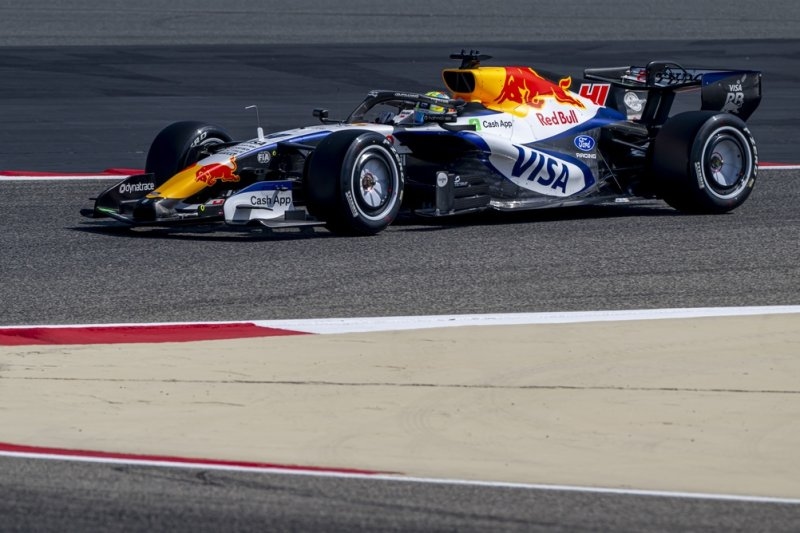
This has brought many manufacturers into F1 for the year 2026, and some of them include Ferrari, Mercedes, Honda, Audi, and Red Bull Powertrains, which have partnered with Ford.
100% Sustainable Fuel
Another significant aspect of the 2026 regulations is that of sustainability.
In Formula 1, all power units use 100% sustainable fuel instead of ordinary fossil-based fuel. In this way, the regulations allow the use of fuel that does not involve any newly extracted carbon.
It means that despite Formula 1 using high-performance internal combustion engines, the dependency on newly extracted carbon can be minimized, which also offers manufacturers a chance to develop technologies for future uses of combustion engines.
Lighter and Smaller F1 Cars
However, the improvements are not only in the engines.
The Formula 1 cars will become shorter, smaller, and lighter compared to previous generations. In particular, the wheelbase will be reduced by 200 mm—from 3,600 mm to 3,400 mm—and the overall width of the car is also going to be decreased.
The goal of the FIA is to make a “nimble car,” which would be more dynamic. Moreover, the decrease in the size of the car is also connected with the fact that there are no big tunnels of ground effect in the cars.
As a result, a smaller and lighter car will need less energy for acceleration and maneuvers, so the available energy in the power unit can be used more efficiently.
Active Aerodynamics Replace Traditional DRS
One of the biggest differences in the 2026 season is the disappearance of traditional DRS.
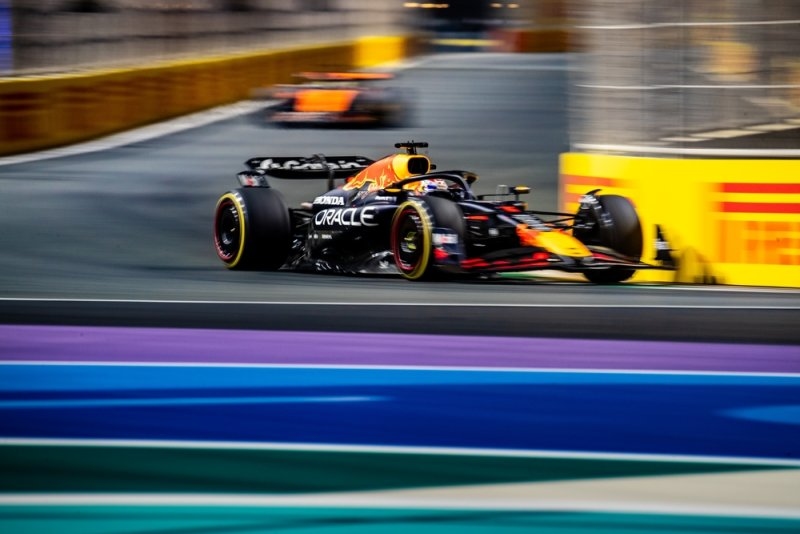
Now cars use active aerodynamics that allow moving some parts of the front and rear wings and changing their setup during the course of one lap. During the time spent in the corners, the aerodynamic elements will be set up in a way that generates enough downforce. However, on certain straights it will be possible to change the setup of the wings and transform them into a low-drag setup called X-Mode, thus reducing the aerodynamic drag and improving the straight-line performance.
It should be noted that such transformation is used mainly for the purpose of managing energy because reducing the drag allows saving electrical energy. Overtaking is possible using another system instead of just opening the rear wing as it was done before.
The New Overtake Mode
Formula 1 has developed a new technology for overtaking during the 2026 season.
If a driver is close enough to the car in front of him at designated activation points, he will be able to use additional electrical energy during his overtake using Overtake Mode. As per the original regulations, it gives an additional amount of energy.
It replaces the former DRS system as the overtaking assistance system and makes battery management an important aspect of race strategy. The drivers need to choose whether to use the battery for passing, whether to recharge it, or save it for future use.
Energy Management Becomes More Important
More electrical power means that energy management has become a crucial element in lap control.
The MGU-K now delivers much higher amounts of energy, yet this energy cannot be used constantly. There are different elements of driving, including acceleration, braking, energy harvesting, and usage.
This means that two cars driving at the same speed can have very different approaches to energy management. A driver can cut back on usage at certain places on the track just to make sure there is enough energy harvested to use further on a straightaway.
The early races also showed that the original energy management settings had a few problems. In April, F1 and the FIA agreed to refine the rules to make it possible to harvest less energy—7 MJ compared to 8 MJ—and increase peak superclip power to 350 kW.
Changes made during the 2026 season
The 2026 technical regulations are not untouched from the first appearance of the cars.
With the conclusion of pre-season testing and opening rounds in Australia, China, and Japan, the FIA introduced technical modifications regarding issues such as compression ratio measurement and energy management.
The compression ratio cannot exceed 16:1. As of June 1, 2026, control will take place under both hot and cold conditions, with further changes planned in 2027.
The FIA, together with constructors, continues the evaluation of energy management following the first half of the season. More regulatory updates for 2027 and 2028 have been agreed upon to address the balance between the performance of the internal combustion engine and energy-recovery system based on the experience gained from the 2026 cars.
What Does the 2026 Rule Book Mean for Racing?
The most significant change here is the fact that the performance of the car is not defined only by its engine power and aerodynamic qualities anymore.
Now, constructors have to achieve the optimization of much more complex interactions between electrical usage, energy recovery, drag, downforce, and tire performance.
Active aerodynamics helps to decrease the drag on straights, while Overtake Mode provides extra electrical help to the overtaking driver. Simultaneously, the smaller size and lower mass of the car mean better maneuverability.
A New Era for Formula 1
These changes introduced in 2026 go well beyond the scope of a new engine formula. This is a combination of a modified hybrid engine, sustainable fuels, active aerodynamics, reduced size of the cars, and a whole new approach to overtaking.
The beginning of the season has shown that a significant regulatory overhaul requires further refining. The FIA, Formula 1, and the teams are still fine-tuning the framework in light of race data, rather than on the basis of computer models alone.
With multiple manufacturers racing under the new power-unit regulations and with further car development expected from the teams during the course of the season, 2026 has set a new technological standard for Formula 1. Moreover, these regulations are planned to change even further on the basis of experience gained over the course of the year.
FAQs
How much electric power does a 2026 F1 car have?
Electrical output of 350 kW in the 2026 MGU-K is another step up from the last generation when it produced only 120 kW of power. This means that electricity became an even more integral part of F1 cars' performance.
Do F1 cars have V6 engines in 2026?
Yes. F1 cars will be using a V6 engine of 1.6 liters displacement in 2026. Only the contribution of the electrical system will become more significant, along with the disappearance of the MGU-H.
How did 2026 DRS change compared to the past?
The traditional DRS mechanism has been abolished in the 2026 season. Now the cars employ active front and rear aerodynamics for switching between high downforce/low drag modes, and the Overtake Mode allows extra electrical boost during attacks.
Which manufacturers supply F1 engines in 2026?
The 2026 power-unit manufacturers include Ferrari, Mercedes, Honda, Audi, and Red Bull Powertrains. Red Bull Powertrains is working with Ford on its new power-unit project.
How are 2026 F1 cars different from 2025 cars?
The 2026 cars are shorter, narrower, and lighter, use active aerodynamics, have flatter floors, and rely on a power unit with a much larger electrical contribution. The changes collectively create a substantially different technical package from the previous generation.
This content was created by AI