Why F1 Lubricants are Key to 2026 Formula One Success

Quick Takeaways
- With the big changes coming to F1 engines in 2026, oil is suddenly in the spotlight like never before.
- Every team works with a custom oil blend, cooked up to fight friction, keep parts safe as engine temps soar, and help everything last just a little longer under pressure.
- The new regulations aren't just pushing the engineers; they're also pushing oil companies to dream up cleaner, tougher synthetic blends.
- Big names like Mobil 1, Shell, Castrol, and Petronas—all watching data minute by minute and tweaking their formulas—work side-by-side with the fastest teams on the grid.
- Honestly, the performance gap in 2026 might come down to oil. It’s almost as crucial as the engine itself now.
People love to talk about horsepower or who’s quick through the corners, but F1 has always been about finding every edge. Sometimes, shaving just a degree or so off the operating temp, or getting a part to last a few extra laps, makes the difference between a win and a DNF. While fans obsess over wings and drivers, engineers know those little oil tweaks are championship details. The right lubricant quietly keeps thousands of expensive, high-speed parts from melting down.
That’s where this blog comes in. We’re going to break down why F1 lubricants matter more than ever, how they’re shaping the next generation of race cars, and why oil tech could turn into one of the biggest secret weapons on the grid.
Why F1 Lubricants Matter More Than Ever?
The conversation around F1 lubricants has changed. Teams are no longer looking for oil that simply reduces wear. They need lubricants that actively improve performance without sacrificing reliability.
Every modern F1 engine contains hundreds of moving components operating under massive stress. During a race, temperatures inside critical areas can exceed 1,000°C, while engine speeds approach 15,000 RPM. Ordinary lubricants would fail almost instantly.
Formula 1 2026 is Raising the Performance Standard
The arrival of Formula 1 2026 introduces new hybrid power unit requirements focused on efficiency as much as outright speed. Manufacturers now expect F1 lubricants to perform several jobs at once. They must reduce friction, improve thermal stability, and protect engine components, plus work alongside more advanced electrical systems.
F1 Engine Oil Has Become a Performance Component
Years ago, many people viewed F1 engine oil as basic maintenance. That thinking no longer applies. Today's F1 engine oil is developed alongside the power unit itself. Engineers adjust viscosity, additive chemistry, thermal resistance, plus lubrication behavior based on the exact characteristics of each F1 engine.
Don't Miss: F1 2026 Tech Regulations Transform Formula 1 Technology
The Biggest Lubricant Partnerships in Formula One
Formula One teams invest millions in developing engines. Lubricant partners become part of that process rather than outside suppliers. Several companies currently dominate the highest level of motorsport.
| Lubricant Brand | Formula One Team | Primary Focus |
|---|---|---|
| Mobil 1 | Oracle Red Bull Racing | Low-friction synthetic race lubricants built for maximum efficiency |
| Shell | Scuderia Ferrari | Advanced thermal protection alongside high-speed engine durability |
| Castrol | Alpine | Reduced wear plus improved mechanical efficiency |
| Petronas | Mercedes-AMG | Hybrid-focused synthetic lubricants supporting power and reliability |
Each company creates a unique formulation rather than selling an off-the-shelf product. That collaboration often begins years before a new season starts.
Formula 1 Regulations Continue to Drive Lubricant Innovation
Modern Formula 1 regulations affect far more than aerodynamics or engine design. Every regulation influences how lubricant companies approach chemistry, sustainability, efficiency, plus long-term reliability.
That's where advanced F1 lubricants become valuable. Instead of redesigning major engine hardware, teams can improve internal efficiency through smarter lubricant development while remaining fully compliant with evolving Formula 1 regulations.
Suggested Reading: F1 2026 Rules Explained: New Tech, Aero, and Overtakes
Why the 2026 F1 Rules Put More Pressure on Lubricant Development?
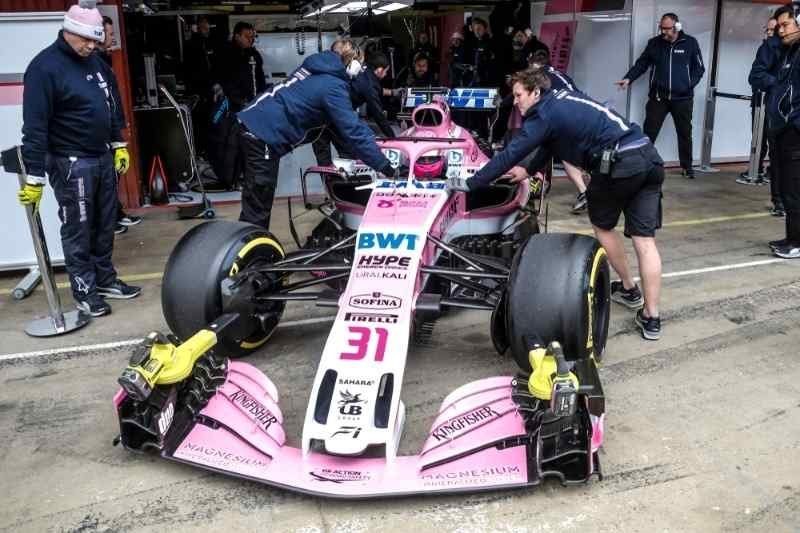
The 2026 F1 rules reshape how teams think about efficiency. Power units will rely more heavily on hybrid systems, reduced fuel flow, plus greater electrical contribution. Every percentage point saved inside the engine suddenly becomes valuable.
F1 Engine Oil Supports Reliability Under Extreme Loads
A modern F1 engine oil does much more than lubricate moving parts. It cools components, removes contaminants, protects against wear, plus maintains stability under enormous pressure.
When an F1 engine spends hours operating at extreme temperatures and rotational speeds, even slight oil breakdown can affect performance. That is why suppliers constantly refine F1 engine oil throughout the season instead of treating it as a finished product.
Formula 1 2026 Rewards Small Technical Gains
Championships are rarely won by one huge upgrade. During Formula 1 2026, teams will chase dozens of tiny improvements rather than one dramatic breakthrough. Better combustion efficiency, lower friction, improved heat transfer—each delivers a small advantage.
Together, they become meaningful. That makes F1 lubricants one of the quiet performance tools engineers continue developing race after race.
Comparing Traditional Lubricants With Modern F1 Lubricants
The difference between road-car oil and F1 lubricants is much larger than most people imagine.
| Feature | Standard Synthetic Oil | F1 Lubricants |
|---|---|---|
| Primary goal | Long service life | Maximum race performance |
| Operating environment | Everyday driving | Extreme race conditions exceeding 1,000°C in critical areas |
| Engine compatibility | Multiple vehicles | One specific F1 engine design |
| Development cycle | Periodic updates | Continuous race-by-race refinement |
| Focus under 2026 F1 rules | General durability | Maximum efficiency with minimum friction |
The comparison shows why Formula One teams never rely on commercial products. Every formulation is engineered for one engine package, one operating window, one objective.
Also Read: Las Vegas Grand Prix Construction Updates Available By Text
Conclusion
Sure, the headlines are about drivers and chassis. But behind every reliable F1 engine, there are years of quiet research on lubricants. The 2026 rules squeeze out inefficiency wherever they can. Every drop of oil has to fight friction, manage brutal heat, and protect components being pushed to ridiculous limits.
With every major change in the rulebook, oil technology becomes an even bigger deal. That’s why Mobil 1, Shell, Castrol, and Petronas stay glued to their partner teams, chasing gains so small they’re measured in fractions of a percent—but in F1, those fractions decide if you drink champagne or not.
Frequently Asked Questions
Do these advances in F1 oil tech ever end up in your road car?
Absolutely. A lot of those high-end synthetic technologies start life on the track—better resistance to heat, lower friction, improved engine life—then become the standards for premium cars a few years later.
Why do teams bother with custom oils?
Simple. Every F1 engine is a unique beast, with its own materials, cooling tricks, and performance targets. You need the exact right oil to keep it alive, efficient, and wicked fast.
How often do teams change their oil blend?
All the time. Oil suppliers and teams are constantly adjusting formulations throughout the season—chasing a little more performance, dialing things in for a new engine part, or meeting a fresh technical rule.
Will sustainable lubricants become more important after 2026?
That’s only getting more important. The 2026 regulations put green thinking front and center, so lubricant companies are racing to develop advanced synthetics that protect both the car and the planet—no compromise on speed allowed.
This content was created by AI